






















The best rice for everyday cooking
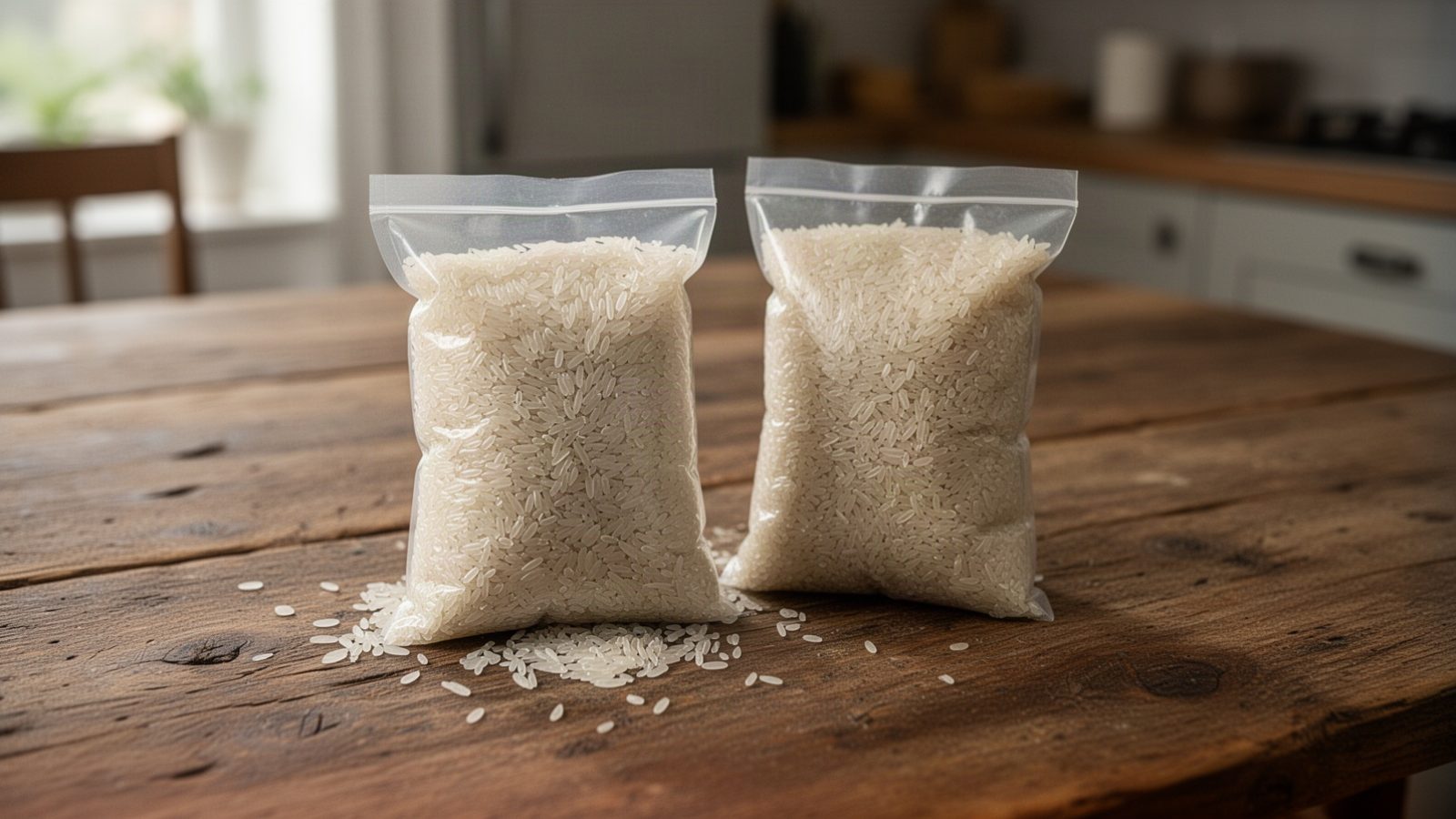
Six rices compared — basmati, jasmine, foolproof parboiled long-grain, sushi-style medium-grain, organic brown and Arborio for risotto.
As an Amazon Associate I earn from qualifying purchases. When you buy through links on this page, we may earn a commission at no extra cost to you. Learn more
Rice is one of the most affordable, versatile foods in the pantry, but “rice” covers very different ingredients. Fragrant basmati cooks into long, separate grains for biryani and pilaf. Jasmine is softer and slightly sticky, perfect with Thai and Vietnamese dishes. Medium-grain rice clings together for sushi and rice bowls, Arborio turns creamy in risotto, and brown rice keeps its bran layer for a chewier, nuttier bite.
The best approach is to keep one or two types that suit the food you cook most, rather than one bag for everything. We compared widely available brands on variety, grain length, cooked texture, aroma and how forgiving they are to cook, and picked the best rice for each common use — from an easy, foolproof long-grain to a proper risotto rice.
Our top picks
-
1
 Illustration
Best basmati
Tilda Pure Basmati Rice
Curries, biryani, pilaf and everyday side dishes
Grain lengthExtra-longTypeWhite basmatiCooked textureFluffy, separate grains -
2
 Illustration
Best jasmine
Mahatma Jasmine Rice
Thai, Vietnamese and other Southeast Asian dishes
Grain lengthLongTypeWhite jasmineCooked textureSoft, slightly sticky -
3
 Illustration
Best foolproof
Ben’s Original Long Grain White Rice
Beginners, meal prep and casseroles
Grain lengthLongTypeParboiled whiteCooked textureFirm, separate grains -
4
 Illustration
Best for sushi
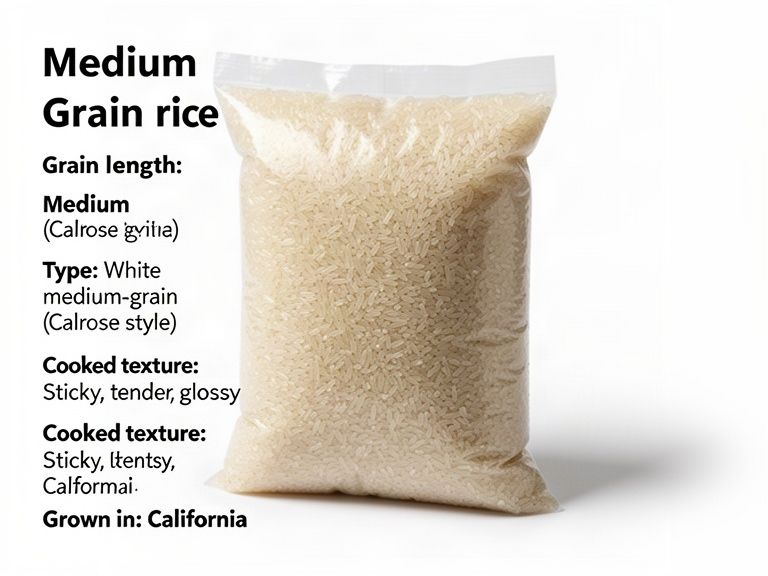
Nishiki Medium Grain Rice
Sushi, poke, rice bowls and onigiri
Grain lengthMediumTypeWhite medium-grain (Calrose style)Cooked textureSticky, tender, glossy -
5
 Illustration
Best brown rice
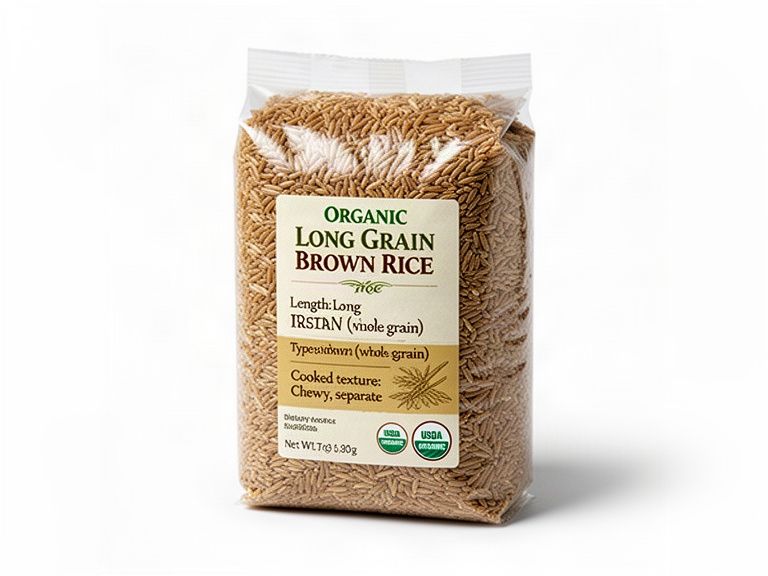
Lundberg Family Farms Organic Long Grain Brown Rice
Grain bowls, burrito bowls and nutty side dishes
Grain lengthLongTypeBrown (whole grain)Cooked textureChewy, separate -
6
 Illustration
Best for risotto
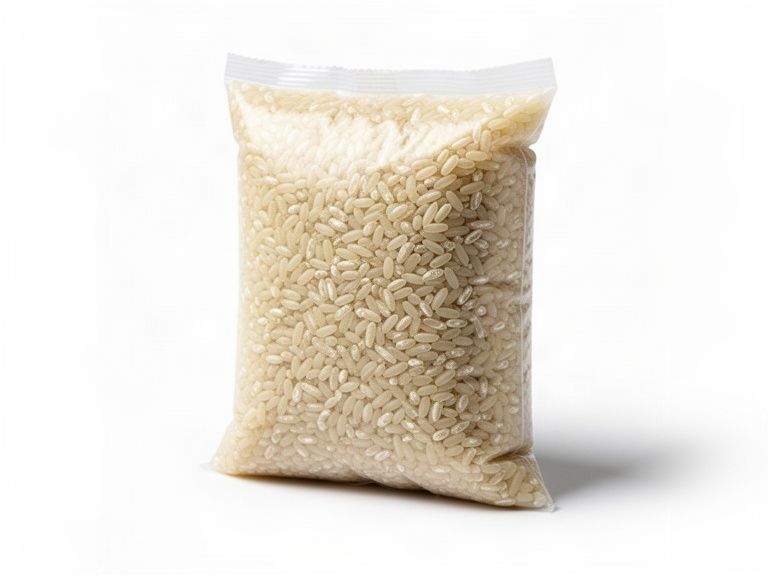
RiceSelect Arborio Rice
Risotto, arancini and rice pudding
Grain lengthMedium-short, plumpTypeWhite ArborioCooked textureCreamy outside, firm center
Tilda Pure Basmati Rice
Illustration
A long-established basmati that cooks into long, fluffy, fragrant grains.
Best for: Curries, biryani, pilaf and everyday side dishes- Grain length
- Extra-long
- Type
- White basmati
- Cooked texture
- Fluffy, separate grains
- Aroma
- Nutty, floral
What we like
- Long, separate grains with classic basmati aroma
- Consistent quality from a specialist brand
- Versatile for Indian, Middle Eastern and everyday dishes
- Cooks quickly
Keep in mind
- Premium-priced compared with generic long-grain
- Needs rinsing for best results
Tilda has specialized in basmati for decades, and its Pure Basmati is a reliable benchmark. Rinsed and cooked properly, the grains lengthen and stay separate and fluffy, with the nutty, floral aroma that makes basmati so appealing.
It’s the obvious rice for curries, biryani and pilaf, but it’s also simply a nice everyday side — fluffier and more fragrant than generic long-grain white rice, and quick to cook on the stove or in a rice cooker.
It costs more than supermarket store brands. Rinse it well and let it rest covered after cooking for the longest, most separate grains.
Bottom line: The best everyday basmati for fragrant, fluffy rice.
Mahatma Jasmine Rice
Illustration
A widely available jasmine rice with a soft texture and floral aroma.
Best for: Thai, Vietnamese and other Southeast Asian dishes- Grain length
- Long
- Type
- White jasmine
- Cooked texture
- Soft, slightly sticky
- Aroma
- Floral, sweet
What we like
- Soft, slightly clingy grains that suit stir-fries and curries
- Floral aroma
- Sold in most supermarkets in many bag sizes
- Cooks easily in a rice cooker
Keep in mind
- Too soft and sticky for pilaf-style dishes
- Can turn gummy if not rinsed
Jasmine rice is what many people think of as restaurant rice: soft, slightly sticky and gently fragrant. Mahatma’s jasmine rice is one of the easiest to find, sold in most American supermarkets in sizes from small bags to large sacks.
Its soft, clingy texture makes it the right partner for Thai curries, stir-fries, Vietnamese grilled meats and rice bowls, where you want grains that hold together a little on the fork or chopsticks.
It isn’t the right rice for dishes that need dry, separate grains, like pilaf or biryani — use basmati there. Rinse it a couple of times before cooking to keep it from turning gummy.
Bottom line: An easy-to-find jasmine rice that suits most Asian-style meals.
Ben’s Original Long Grain White Rice
Illustration
A parboiled long-grain rice that cooks into firm, separate grains and is very hard to overcook.
Best for: Beginners, meal prep and casseroles- Grain length
- Long
- Type
- Parboiled white
- Cooked texture
- Firm, separate grains
What we like
- Very forgiving — hard to turn mushy
- Firm, separate grains
- Holds up well in casseroles, soups and meal prep
- Widely available
Keep in mind
- Longer cook time than regular white rice
- Less aroma than basmati or jasmine
Ben’s Original (formerly Uncle Ben’s) built its name on parboiled, or converted, rice. The grains are partially steamed before milling, which makes them firmer and less starchy. The result is rice that cooks into distinct, separate grains and forgives too much water or a few extra minutes on the stove.
That makes it a good choice for nervous cooks, big-batch meal prep, rice salads and casseroles, where softer rice would break down. It also reheats well without clumping.
The trade-offs are a slightly longer cook than regular white rice and a neutral flavor without the aroma of basmati or jasmine. If you just want reliable rice every time, it’s hard to beat.
Bottom line: The most forgiving long-grain rice for reliable results every time.
Nishiki Medium Grain Rice
Illustration
A California medium-grain rice that cooks up glossy and sticky for Japanese-style dishes.
Best for: Sushi, poke, rice bowls and onigiri- Grain length
- Medium
- Type
- White medium-grain (Calrose style)
- Cooked texture
- Sticky, tender, glossy
- Grown in
- California
What we like
- Sticky texture that holds together for sushi and rice balls
- Tender, slightly sweet flavor
- Long-running, widely available brand
- Great in a rice cooker
Keep in mind
- Too sticky for pilaf or fried rice made fresh
- Needs thorough rinsing
Nishiki is one of the most familiar medium-grain rices in the US, grown in California and sold in Asian grocery stores and mainstream supermarkets alike. Rinsed well and cooked, it turns glossy, tender and sticky — the texture you want for sushi, onigiri, poke and Japanese-style rice bowls.
Season it with rice vinegar, sugar and salt for sushi rice, or simply serve it plain alongside teriyaki and grilled fish. Leftover chilled medium-grain rice also makes very good fried rice.
It isn’t the rice for dishes that need separate grains. Rinse it until the water runs mostly clear, and give it a short rest after cooking for the best texture.
Bottom line: A dependable medium-grain rice for sushi and Japanese-style meals.
Lundberg Family Farms Organic Long Grain Brown Rice
Illustration
An organic, California-grown brown rice with a chewy texture and nutty flavor.
Best for: Grain bowls, burrito bowls and nutty side dishes- Grain length
- Long
- Type
- Brown (whole grain)
- Cooked texture
- Chewy, separate
- Dietary notes
- USDA Organic
What we like
- Nutty flavor and pleasantly chewy texture
- USDA Organic, from a long-established family farm brand
- Grown in California
- Holds its shape in grain bowls and salads
Keep in mind
- Takes much longer to cook than white rice
- Shorter shelf life — store cool, or refrigerate in bulk
Lundberg Family Farms has grown rice in California for generations and is one of the best-known names in organic rice. Its long-grain brown rice keeps the bran layer, so it cooks into chewy, separate grains with a toasty, nutty flavor that stands up well in grain bowls, burrito bowls, stuffed peppers and salads.
Brown rice takes noticeably longer than white — plan for around three-quarters of an hour on the stove — and it needs a little more water. A rice cooker with a brown rice setting takes the guesswork out.
Because the bran contains natural oils, brown rice doesn’t keep as long as white. Buy a size you’ll use within a few months, or store larger bags in the fridge.
Bottom line: An excellent organic brown rice for anyone who enjoys a nuttier, chewier grain.
RiceSelect Arborio Rice
Illustration
A plump, starchy Arborio that turns creamy in risotto, sold in a resealable jar.
Best for: Risotto, arancini and rice pudding- Grain length
- Medium-short, plump
- Type
- White Arborio
- Cooked texture
- Creamy outside, firm center
What we like
- High-starch grains for creamy risotto
- Holds a firm center when cooked properly
- Resealable container keeps it fresh
- Also good for rice pudding and arancini
Keep in mind
- Specialty use — not an everyday side-dish rice
- Don’t rinse it, or you lose the creamy starch
Risotto needs a specific kind of rice: plump, starchy grains that release creaminess as you stir in warm stock, while the center stays slightly firm. Arborio is the most widely available risotto rice, and RiceSelect’s version is easy to find in US supermarkets in a resealable container.
Toast the grains in butter or olive oil, add a splash of wine, then stir in warm stock gradually. Don’t rinse it first — the surface starch is what makes risotto creamy. The same rice works well for arancini and baked rice pudding.
It’s a specialty rice rather than an everyday side, but if you make risotto even occasionally, it’s worth keeping a container in the pantry.
Bottom line: A convenient, easy-to-find Arborio for creamy risotto at home.
Side-by-side comparison
| Product | Grain length | Type | Cooked texture | Aroma | Score |
|---|---|---|---|---|---|
| Tilda Pure Basmati RiceBest basmati | Extra-long | White basmati | Fluffy, separate grains | Nutty, floral | 9.2 |
| Mahatma Jasmine RiceBest jasmine | Long | White jasmine | Soft, slightly sticky | Floral, sweet | 9.0 |
| Ben’s Original Long Grain White RiceBest foolproof | Long | Parboiled white | Firm, separate grains | — | 8.7 |
| Nishiki Medium Grain RiceBest for sushi | Medium | White medium-grain (Calrose style) | Sticky, tender, glossy | — | 8.8 |
| Lundberg Family Farms Organic Long Grain Brown RiceBest brown rice | Long | Brown (whole grain) | Chewy, separate | — | 8.5 |
| RiceSelect Arborio RiceBest for risotto | Medium-short, plump | White Arborio | Creamy outside, firm center | — | 8.3 |
Specifications are from manufacturer listings at the time of writing and can change between production runs.
Grain length and texture
- Long-grain (including basmati and jasmine) cooks into longer, more separate grains. Basmati is the fluffiest and driest; jasmine is softer and slightly clingy.
- Medium-grain (such as Calrose) is plumper and stickier, ideal for sushi, poke and rice bowls.
- Short-grain and risotto rices like Arborio are round and starchy, releasing creaminess as you stir.
The more starch a rice releases, the stickier it cooks, so pick by the texture your dish needs.
White, brown and parboiled
White rice has the bran and germ removed; it cooks faster and has a softer, neutral flavor. Brown rice keeps the bran layer, so it takes longer to cook and has a chewier texture and nuttier taste. Parboiled (converted) rice is partially steamed before milling, which makes the grains firmer and more separate — very hard to overcook and great for meal prep and casseroles.
Aroma and origin
Basmati and jasmine are prized for aroma. Good basmati, traditionally grown in India and Pakistan, smells nutty and floral and lengthens dramatically as it cooks. Thai jasmine has a soft, pandan-like fragrance. Aged basmati tends to cook up longer and more separate. Jasmine is at its most fragrant when fairly fresh, so buy a bag size you’ll finish within several months rather than a giant sack that sits for a year.
Rinse, measure and rest
Rinse white rice in a few changes of water until it runs mostly clear; this removes surface starch and prevents gumminess. Skip rinsing for risotto, where you want that starch, and for enriched American rice if the package says not to. Follow the water ratio on the package as a starting point, keep the lid on, and let the rice rest off the heat for several minutes before fluffing. A rice cooker makes all of this nearly automatic.
Storage and food safety
Store uncooked white rice in a sealed container in a cool, dry place; it keeps a long time. Brown rice contains natural oils and keeps for a shorter period — refrigerate it if you buy in bulk. Cool cooked rice quickly, refrigerate it within a couple of hours and reheat it until steaming hot.
Frequently asked questions
Do I need to rinse rice?
Rinsing most white rice removes surface starch and gives fluffier, less gummy results. Don’t rinse Arborio for risotto, and check the package for enriched rice, which some brands advise not to rinse.
What is the difference between basmati and jasmine rice?
Both are aromatic long-grain rices. Basmati cooks into long, dry, separate grains with a nutty aroma; jasmine is softer and slightly sticky with a floral, sweet fragrance.
Can I use any rice for sushi?
For the right sticky texture, use a short- or medium-grain rice such as Calrose and season it with rice vinegar. Long-grain rice is too loose to hold together.
Why is my brown rice always chewy or undercooked?
Brown rice needs more water and a longer cook than white. Follow the package ratio, keep the lid on and let it rest covered for ten minutes before fluffing.
How long does uncooked rice keep?
White rice keeps for a long time in a sealed container in a cool, dry place. Brown rice keeps for a shorter time because of the oils in its bran; store it in the fridge or freezer if you won’t use it within a few months.
How we picked
We compared rice varieties, grain length, processing, cooked texture, aroma, package cooking directions and availability for widely sold rice brands in the US, and weighed which type suits each common dish. Our picks and scores are based on this research — we have not tested these products hands-on. Brands cannot pay to be included. Read our full method.