






















The best dry pasta for everyday dinners
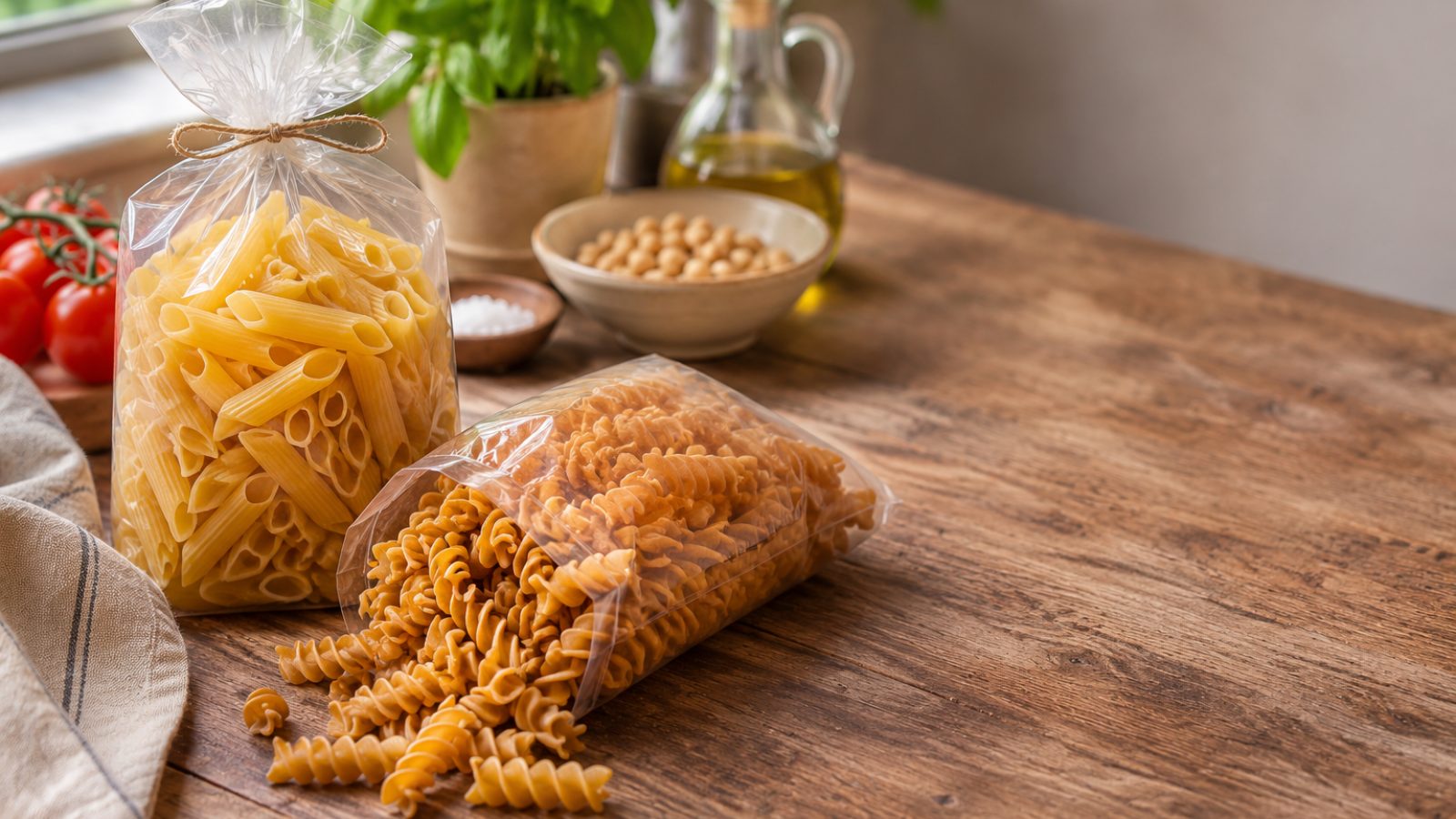
Six dry pastas compared — a supermarket classic, bronze-cut Italian brands, a Gragnano IGP pasta and gluten-free and chickpea options.
As an Amazon Associate I earn from qualifying purchases. When you buy through links on this page, we may earn a commission at no extra cost to you. Learn more
Dry pasta looks like the simplest thing in the pantry: durum wheat and water, shaped and dried. Yet the difference between a basic box and a good Italian brand shows up on the plate. Better pasta has a rougher surface that grabs sauce, a firmer bite that holds up to al dente cooking, and a wheaty flavor you notice even with a simple tomato sauce.
The biggest factors are how the dough is extruded — through bronze or smooth dies — and how slowly it’s dried. Price differences between a supermarket staple and an imported bronze-cut brand are modest, so it’s an easy upgrade. We compared widely available brands on ingredients, production method, texture and shape range, and included gluten-free and chickpea options for households that need them.
Our top picks
-
1
 Illustration
Best overall
De Cecco Spaghetti No. 12
Everyday Italian dinners with a noticeable upgrade
Main ingredientDurum wheat semolinaStyleBronze-die cut, slow-driedDietary notesContains wheat (gluten) -
2
 Illustration
Best Gragnano pasta
Garofalo Pasta di Gragnano IGP Spaghetti
Pasta lovers who want traditional Gragnano style
Main ingredientDurum wheat semolinaStyleBronze-drawn, Gragnano IGPDietary notesContains wheat (gluten) -
3
 Illustration
Best for al dente texture
Rummo Rigatoni
Hearty baked and chunky-sauce dishes
Main ingredientDurum wheat semolinaStyleBronze-drawn, slow processingDietary notesContains wheat (gluten) -
4
 Illustration
Best value
Barilla Classic Spaghetti
Families and weeknight cooking on a budget
Main ingredientDurum wheat semolinaStyleClassic smooth surfaceDietary notesContains wheat (gluten) -
5
 Illustration
Best gluten-free
Barilla Gluten Free Penne
Gluten-free households that want classic pasta flavor
Main ingredientCorn and rice floursStyleClassic shape, smooth surfaceDietary notesCertified gluten-free -
6
 Illustration
Best chickpea pasta
Banza Chickpea Rotini
Gluten-free cooks who like a heartier, nutty pasta
Main ingredientChickpeasStyleLegume-basedDietary notesGluten-free
De Cecco Spaghetti No. 12
Illustration
A widely available bronze-cut Italian pasta with a firm bite and sauce-grabbing surface.
Best for: Everyday Italian dinners with a noticeable upgrade- Main ingredient
- Durum wheat semolina
- Style
- Bronze-die cut, slow-dried
- Dietary notes
- Contains wheat (gluten)
- Made in
- Italy
What we like
- Rough bronze-cut surface holds sauce well
- Firm, springy bite that stays al dente
- Huge range of shapes under the same brand
- Easy to find in most supermarkets
Keep in mind
- Costs more than basic supermarket pasta
- Cooks a little longer than thin, smooth spaghetti
De Cecco is the easiest way to upgrade from basic boxed pasta without hunting through specialty shops. It’s made from durum wheat semolina, extruded through bronze dies and dried slowly, so the strands have a matte, slightly rough surface that grabs sauce and a firm bite that holds up when you cook it al dente.
Spaghetti No. 12 is the brand’s classic cut and a versatile everyday choice for tomato sauces, aglio e olio and carbonara. If you prefer short shapes, the same qualities carry across De Cecco’s penne, rigatoni and fusilli.
It costs a little more than the blue-box staples, but for most households the difference per dinner is small, and it’s one of the few premium pastas you can reliably buy almost anywhere.
Bottom line: The best everyday upgrade: bronze-cut Italian pasta that’s easy to find.
Garofalo Pasta di Gragnano IGP Spaghetti
Illustration
Bronze-drawn pasta made in Gragnano under the IGP designation, with a pronounced wheaty flavor.
Best for: Pasta lovers who want traditional Gragnano style- Main ingredient
- Durum wheat semolina
- Style
- Bronze-drawn, Gragnano IGP
- Dietary notes
- Contains wheat (gluten)
- Made in
- Gragnano, Italy
What we like
- Made in Gragnano under IGP rules
- Bronze-drawn texture that holds sauce
- Pronounced wheat flavor
- Wide range of traditional shapes
Keep in mind
- Pricier than everyday brands
- Not stocked in every supermarket
Gragnano, a town near Naples, has a centuries-old pasta tradition, and the Pasta di Gragnano IGP designation means the pasta was made there following set production rules. Garofalo is one of the best-known Gragnano producers you can buy in the US.
Its pasta has the matte, rough surface of bronze dies and a pronounced wheaty flavor that comes through with simple dressings — olive oil and garlic, cacio e pepe, or a quick tomato sauce. The spaghetti is a good place to start, and the brand sells many traditional shapes.
It’s priced above everyday brands and isn’t in every supermarket, so it works best as the pasta you keep for dishes where pasta itself is the star.
Bottom line: A traditional Gragnano pasta that rewards simple, pasta-focused dishes.
Rummo Rigatoni
Illustration
Bronze-drawn Italian pasta made with slow processing, which the brand says helps it stay firm.
Best for: Hearty baked and chunky-sauce dishes- Main ingredient
- Durum wheat semolina
- Style
- Bronze-drawn, slow processing
- Dietary notes
- Contains wheat (gluten)
- Made in
- Italy
What we like
- Holds a firm bite, even in baked dishes
- Ridged rigatoni traps chunky sauces
- Bronze-drawn surface
- Forgiving if you cook it a minute too long
Keep in mind
- Harder to find than De Cecco or Barilla
- Premium-priced
Rummo’s pitch is texture. The brand calls its method “Lenta Lavorazione,” or slow processing, and positions the pasta as one that keeps its al dente bite — a useful trait if you’ve ever had a baked pasta turn soft in the oven or overshot the timer on a busy night.
The rigatoni is a standout: wide, ridged tubes with a rough bronze-drawn surface that trap ragù, sausage and vegetable sauces and stand up to baking. The brand also makes long pastas and other short shapes with the same approach.
Availability is the main drawback. It’s easier to find online and in larger or specialty grocery stores than in every supermarket.
Bottom line: The pasta to choose when you want a reliably firm bite, especially in baked dishes.
Barilla Classic Spaghetti
Illustration
The familiar blue-box pasta: consistent, budget-friendly and sold everywhere.
Best for: Families and weeknight cooking on a budget- Main ingredient
- Durum wheat semolina
- Style
- Classic smooth surface
- Dietary notes
- Contains wheat (gluten)
What we like
- Budget-friendly and sold almost everywhere
- Very consistent cooking from box to box
- Huge range of shapes, including kid-friendly ones
- Reliable package cooking times
Keep in mind
- Smooth surface holds sauce less well than bronze-cut pasta
- Milder flavor and softer bite than premium brands
Barilla’s blue box is the dependable default in many American kitchens, and there’s nothing wrong with that. It’s made from durum wheat semolina, cooks consistently from box to box and is sold in almost every grocery store, in more shapes than most families will ever use.
Compared with bronze-cut brands, the surface is smoother and glossier, so thin sauces slide off a little more and the bite is softer. For baked pasta, mac and cheese, kids’ dinners and heavily sauced dishes, the difference is minor.
If you cook pasta often for a family, it’s a smart staple — and worth pairing with a bronze-cut brand for nights when the pasta is the main event.
Bottom line: The best budget-friendly everyday pasta, especially for families.
Barilla Gluten Free Penne
Illustration
A corn-and-rice pasta that looks and eats much like regular penne.
Best for: Gluten-free households that want classic pasta flavor- Main ingredient
- Corn and rice flours
- Style
- Classic shape, smooth surface
- Dietary notes
- Certified gluten-free
What we like
- Taste and texture close to wheat pasta
- Certified gluten-free
- Widely available in supermarkets
- Familiar shapes, including spaghetti and rotini
Keep in mind
- Goes from tender to soft quickly if overcooked
- Leftovers firm up in the fridge
For gluten-free households, the main complaint about alternative pastas is that they don’t taste or feel like the real thing. Barilla Gluten Free comes closer than most. Made from corn and rice, it has a mild flavor and a texture that, cooked carefully, is near regular penne — enough that mixed households can often serve one pot to everyone.
The key is timing. Start tasting a couple of minutes early and drain as soon as it’s tender, because it softens quickly. Leftovers firm up in the fridge; a splash of water when reheating helps.
It’s certified gluten-free and sold in most supermarkets, which makes it easy to keep on hand.
Bottom line: The most convincing everyday gluten-free stand-in for wheat pasta.
Banza Chickpea Rotini
Illustration
A pasta made mainly from chickpeas, with a nutty flavor and dense bite.
Best for: Gluten-free cooks who like a heartier, nutty pasta- Main ingredient
- Chickpeas
- Style
- Legume-based
- Dietary notes
- Gluten-free
What we like
- Nutty, savory flavor
- Gluten-free
- Rotini holds pesto and chunky sauces well
- Many shapes, including mac and cheese kits
Keep in mind
- Denser and earthier than wheat pasta
- Can foam heavily while boiling
- Overcooks quickly
Banza pasta is made mainly from chickpeas, and it doesn’t pretend otherwise. The flavor is nutty and savory, the texture denser than wheat pasta. Many people come to like it on its own terms, especially with bold sauces like pesto, puttanesca or roasted vegetables.
The rotini is a good shape to start with because its twists hold sauce and hide the slight graininess some legume pastas have. Use a large pot — chickpea pasta tends to foam — and stir early to stop pieces sticking. Drain it as soon as it’s tender.
If you want gluten-free pasta that tastes as close to wheat as possible, Barilla Gluten Free is the better match. If you enjoy a heartier, distinctive pasta, Banza is the most widely available choice.
Bottom line: A flavorful gluten-free alternative for cooks who enjoy a heartier pasta.
Side-by-side comparison
| Product | Main ingredient | Style | Dietary notes | Made in | Score |
|---|---|---|---|---|---|
| De Cecco Spaghetti No. 12Best overall | Durum wheat semolina | Bronze-die cut, slow-dried | Contains wheat (gluten) | Italy | 9.2 |
| Garofalo Pasta di Gragnano IGP SpaghettiBest Gragnano pasta | Durum wheat semolina | Bronze-drawn, Gragnano IGP | Contains wheat (gluten) | Gragnano, Italy | 9.0 |
| Rummo RigatoniBest for al dente texture | Durum wheat semolina | Bronze-drawn, slow processing | Contains wheat (gluten) | Italy | 8.8 |
| Barilla Classic SpaghettiBest value | Durum wheat semolina | Classic smooth surface | Contains wheat (gluten) | — | 8.7 |
| Barilla Gluten Free PenneBest gluten-free | Corn and rice flours | Classic shape, smooth surface | Certified gluten-free | — | 8.4 |
| Banza Chickpea RotiniBest chickpea pasta | Chickpeas | Legume-based | Gluten-free | — | 8.0 |
Specifications are from manufacturer listings at the time of writing and can change between production runs.
Bronze-cut vs. smooth pasta
Pasta is made by pushing dough through a metal die. Bronze dies leave a slightly rough, matte surface, which helps sauce cling and releases more starch into the cooking water for silkier sauces. Smooth dies (usually Teflon-coated) produce a glossy, slick surface that cooks consistently but holds sauce less well. Bronze-cut pasta usually says so on the package — look for “bronze die,” “bronze cut” or “trafilata al bronzo.”
Semolina and slow drying
Good dry pasta is made from durum wheat semolina, a hard wheat that gives pasta its firm, springy bite. Many premium Italian brands also dry their pasta slowly at lower temperatures, which helps preserve flavor and texture. Gragnano IGP on a package means the pasta was made in Gragnano, near Naples, following rules that include bronze dies and local production.
Match the shape to the sauce
- Long, thin shapes (spaghetti, linguine) suit olive-oil, tomato and seafood sauces.
- Tubes and ridges (rigatoni, penne rigate) trap chunky meat and vegetable sauces.
- Twists (fusilli, rotini) hold pesto and creamy sauces well and work in pasta salads.
- Wide ribbons (fettuccine, pappardelle) carry rich ragù and cream sauces.
- Small shapes (orzo, ditalini) are for soups.
When in doubt, a ridged short shape such as rigatoni or penne rigate is the most forgiving all-rounder.
Gluten-free and legume pastas
Gluten-free pastas are usually made from corn and rice, or from legumes such as chickpeas and lentils. Corn-and-rice blends taste and look closest to wheat pasta. Legume pastas have a denser, earthier character. Both overcook more easily than wheat pasta, so start tasting a couple of minutes before the package time. If you need gluten-free food, look for a certified gluten-free label and check it each time you buy.
Cooking and storage tips
Use plenty of boiling water and season it well with salt. Skip the oil in the pot; it makes sauce slide off. Start tasting a minute or two before the package time, save a mug of the starchy cooking water, and finish the pasta in the sauce with a splash of that water so it emulsifies and coats evenly. Don’t rinse pasta for hot dishes. Store opened boxes in a sealed container in a cool, dry cupboard.
Frequently asked questions
Is imported Italian pasta really better?
Not automatically, but many Italian brands use bronze dies and slow drying, which give a rougher, sauce-grabbing surface and a firmer bite. The production method matters more than the country on the box.
Should I add oil to the pasta water?
No. Oil doesn’t stop pasta sticking if you use enough water and stir in the first minute, and it coats the pasta so sauce slides off. Season the water with salt instead.
What does al dente mean?
It means “to the tooth” — cooked through but still slightly firm in the center. Start tasting a minute or two before the package time, especially if the pasta will finish cooking in the sauce.
Does dry pasta go bad?
Dry pasta keeps for a long time when stored sealed in a cool, dry place. Quality slowly declines after the best-by date, and pasta should be discarded if you see pests, moisture or an off smell.
Why does gluten-free pasta turn mushy?
Without gluten, the structure is more fragile and goes from tender to soft quickly. Use plenty of water, stir often, start tasting early and drain it as soon as it’s done.
How we picked
We compared ingredients, production methods such as bronze dies and drying, shape ranges, dietary labeling and availability for widely sold dry pasta brands in the US, and weighed how each suits different dishes and households. Our picks and scores are based on this research — we have not tested these products hands-on. Brands cannot pay to be included. Read our full method.