






















The best rock climbing shoes
Five rock climbing shoes compared — comfortable flat shoes for beginners, a technical lace-up for edging and an aggressive shoe for steep routes — with sizing tips.
As an Amazon Associate I earn from qualifying purchases. When you buy through links on this page, we may earn a commission at no extra cost to you. Learn more
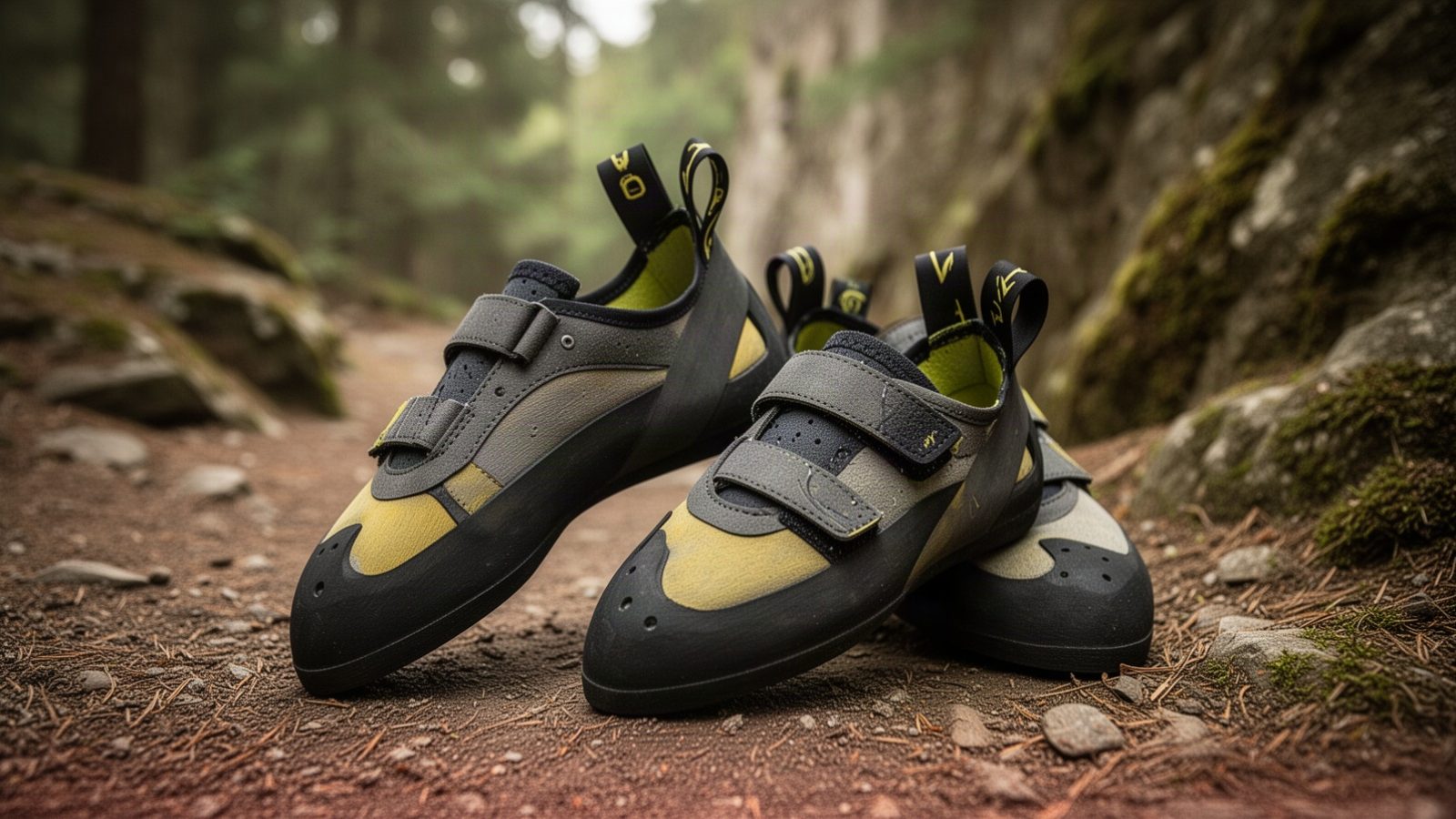
Climbing shoes do something no other footwear does: they let you stand on edges the width of a coin and smear on blank rock. Sticky rubber, a snug fit and a stiff or sensitive sole turn small footholds into usable steps, and the right pair makes climbing feel noticeably easier.
The most important choice is the shoe's shape. Flat, comfortable shoes suit beginners, long gym sessions and all-day routes, while moderately and aggressively downturned shoes concentrate power on the toes for steep climbing and hard bouldering, at the cost of comfort. Closure type, rubber and upper material also change how a shoe fits and feels. We compared popular shoes from La Sportiva, Scarpa, Black Diamond and Evolv on profile, closure, rubber and intended use, and picked the best shoes for new climbers, gym regulars and those pushing into harder grades.
Our top picks
-
1
 Illustration
Best for beginners
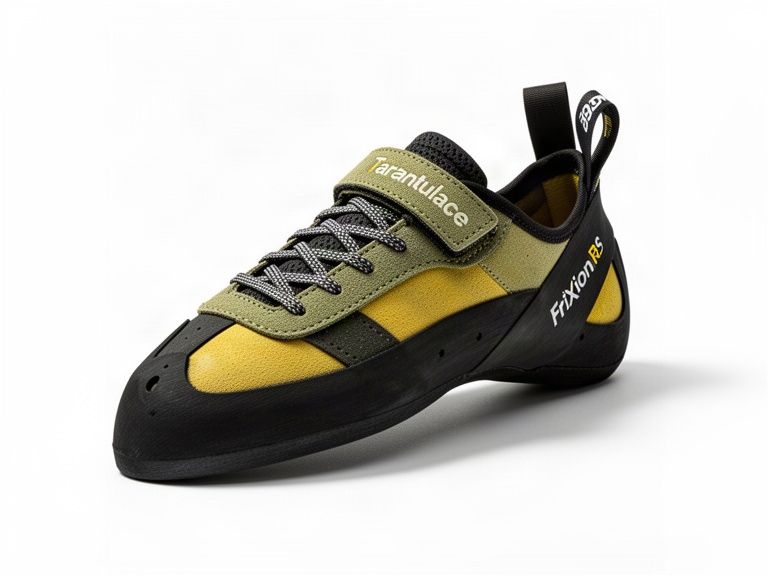
La Sportiva Tarantulace
New climbers and all-day comfort
ClosureLaceProfileFlatBest forBeginners, gym and all-day routes -
2
 Illustration
Best for all-day gym comfort
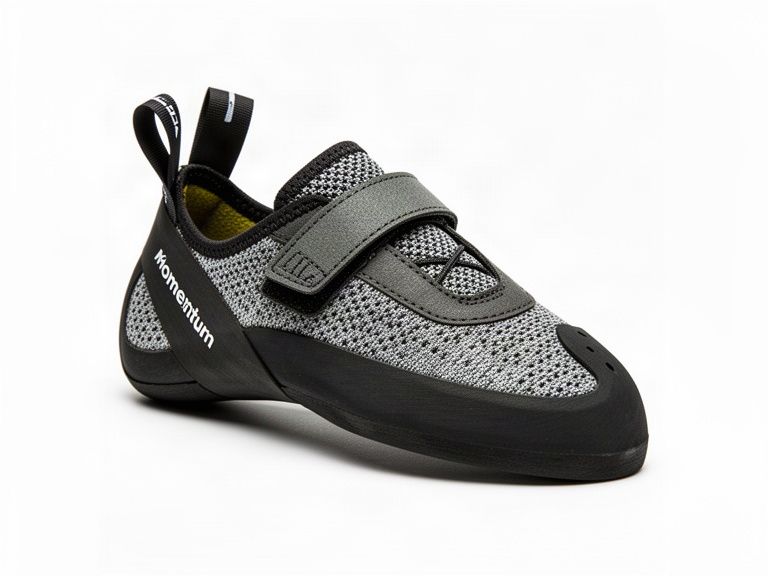
Black Diamond Momentum Climbing Shoe
Gym climbers who prioritize comfort
ClosureHook-and-loop (lace version available)ProfileFlatBest forGym sessions and beginners -
3
 Illustration
Best value
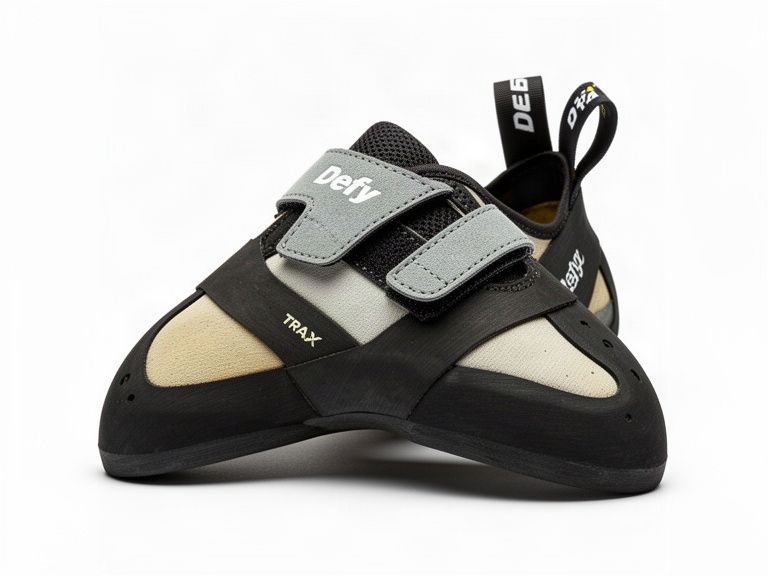
Evolv Defy
Budget-conscious beginners
ClosureHook-and-loopProfileFlatBest forBeginners and gym climbing -
4
 Illustration
Best for technical edging
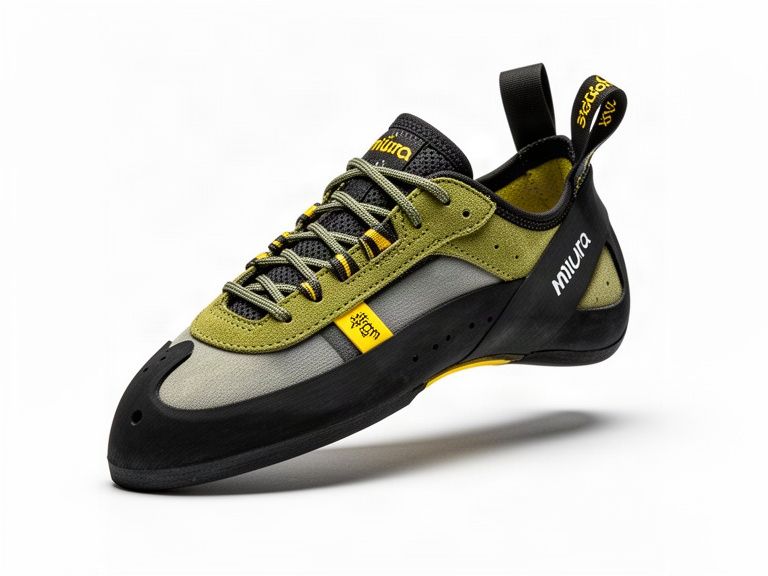
La Sportiva Miura (Lace)
Intermediate and advanced climbers on vertical rock
ClosureLaceProfileModerate downturnBest forTechnical face and edging -
5
 Illustration
Best for steep climbing
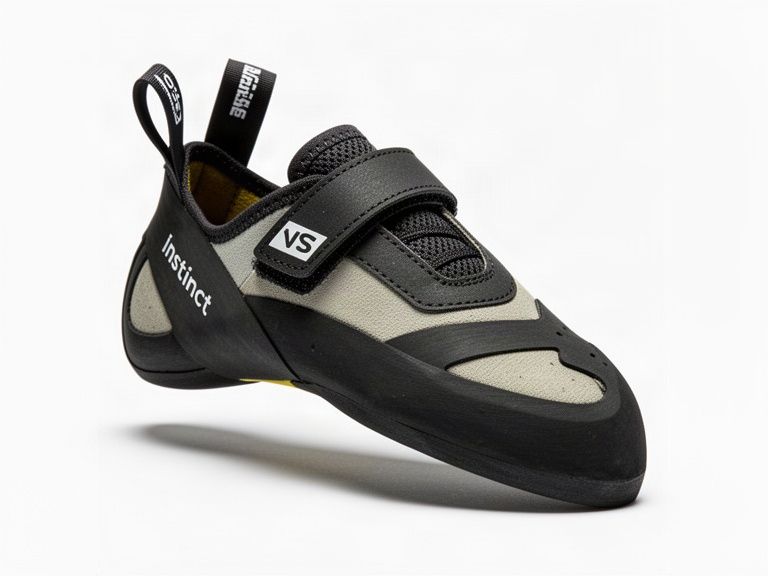
Scarpa Instinct VS
Bouldering and steep sport climbing
ClosureHook-and-loop (single strap)ProfileAggressive downturnBest forSteep sport and bouldering
La Sportiva Tarantulace
Illustration
A long-running flat, lace-up beginner shoe with durable FriXion RS rubber.
Best for: New climbers and all-day comfort- Closure
- Lace
- Profile
- Flat
- Best for
- Beginners, gym and all-day routes
- Rubber
- FriXion RS
What we like
- Flat, comfortable shape for learning
- Laces allow a precise fit
- Durable rubber for developing footwork
- Long-running, widely available model
Keep in mind
- Not designed for steep, hard climbing
- Laces are slower to take on and off
The Tarantulace has been one of the most recommended beginner shoes for years. Its flat profile keeps your foot comfortable during long sessions, and laces let you fine-tune the fit along the whole foot, which helps new climbers find a snug fit without pain.
La Sportiva uses its FriXion RS rubber, which balances grip with durability. That durability matters for beginners, whose developing footwork tends to wear shoes faster.
It is not designed for steep overhangs or hard bouldering, where a downturned shoe performs better, and lace-ups take a little longer to slip on between gym problems. As a first shoe or a comfortable all-day option, it is hard to beat.
Bottom line: The best first climbing shoe for most new climbers.
Black Diamond Momentum Climbing Shoe
Illustration
A flat, comfortable shoe with a breathable knit upper, offered in strap and lace versions.
Best for: Gym climbers who prioritize comfort- Closure
- Hook-and-loop (lace version available)
- Profile
- Flat
- Best for
- Gym sessions and beginners
- Upper
- Engineered knit
What we like
- Breathable knit upper is comfortable for long sessions
- Flat profile suits beginners
- Strap and lace versions
- Easy on and off with straps
Keep in mind
- Less precise on tiny edges than performance shoes
- Knit upper may wear differently from leather
Black Diamond designed the Momentum around comfort, and its knit upper is the main feature. The breathable material helps keep feet cooler during long gym sessions, and the flat profile keeps toes relaxed.
It comes in hook-and-loop and lace versions, so you can choose quick on-and-off convenience or a more adjustable fit. For climbers who spend hours in the gym, that comfort makes a real difference.
It is not built for precision on tiny edges or for steep, technical climbing. For beginners and gym regulars who want a comfortable, breathable shoe, it is an excellent choice.
Bottom line: A comfortable, breathable shoe for beginners and long gym sessions.
Evolv Defy
Illustration
A budget-friendly flat shoe with a synthetic upper and Evolv's TRAX rubber.
Best for: Budget-conscious beginners- Closure
- Hook-and-loop
- Profile
- Flat
- Best for
- Beginners and gym climbing
- Rubber
- TRAX
What we like
- Budget-friendly
- Flat, comfortable profile
- Quick hook-and-loop closure
- Synthetic upper keeps its shape
Keep in mind
- Less sensitive than performance shoes
- Synthetic upper stretches little, so sizing matters
The Defy is Evolv's entry-level shoe, and it is one of the most budget-friendly ways to get a proper pair of climbing shoes. Its flat profile and hook-and-loop closure make it comfortable and easy to use in the gym.
Evolv uses its own TRAX rubber, and the synthetic upper holds its shape over time. Because synthetic uppers stretch less than leather, choose a size that is comfortable from the start rather than expecting it to break in significantly.
It is not as sensitive or precise as higher-end shoes, but for new climbers who want to stop renting without spending much, it is a sensible buy.
Bottom line: A budget-friendly first shoe for new and casual climbers.
La Sportiva Miura (Lace)
Illustration
A classic precise lace-up with a moderate downturn and Vibram XS Edge rubber for small edges.
Best for: Intermediate and advanced climbers on vertical rock- Closure
- Lace
- Profile
- Moderate downturn
- Best for
- Technical face and edging
- Rubber
- Vibram XS Edge
What we like
- Excellent precision on small edges
- Lace-up fit can be tuned closely
- Durable, edge-holding rubber
- Classic design with a long track record
Keep in mind
- Less comfortable than flat beginner shoes
- Not ideal for very steep overhangs
The Miura is one of climbing's classic performance shoes. The lace-up version pairs a moderate downturn with Vibram XS Edge rubber, a combination designed to hold small edges on vertical and slightly overhanging rock.
Laces let climbers tune the fit closely, and the shoe's shape concentrates power over the toes for precise footwork. Many climbers keep a pair for technical face routes even after buying more aggressive shoes.
It is less comfortable than flat beginner shoes and is not designed for the steepest overhangs, where a softer, more downturned shoe performs better. For intermediate and advanced climbers on technical rock, it is a long-standing favorite.
Bottom line: A precise, proven shoe for technical edging on vertical rock.
Scarpa Instinct VS
Illustration
A downturned, single-strap performance shoe designed for overhangs, hooks and steep bouldering.
Best for: Bouldering and steep sport climbing- Closure
- Hook-and-loop (single strap)
- Profile
- Aggressive downturn
- Best for
- Steep sport and bouldering
What we like
- Downturned shape for overhangs
- Quick single-strap closure
- Good for toe and heel hooks
- Well-regarded performance shoe
Keep in mind
- Uncomfortable for long sessions
- Not suited to beginners or slabs
The Instinct VS is Scarpa's popular performance shoe for steep terrain. Its downturned shape concentrates power on the toes, helping climbers pull on footholds in overhangs, while the single strap makes it quick to put on and take off between boulder problems.
It is designed for bouldering and steep sport routes, where toe hooks, heel hooks and precise footwork on small holds matter most.
Like any aggressive shoe, it is uncomfortable for long sessions and less effective on flat slabs. It is best as a second pair for experienced climbers rather than a first shoe.
Bottom line: A strong performance shoe for climbers focused on steep routes and bouldering.
Side-by-side comparison
| Product | Closure | Profile | Best for | Rubber | Score |
|---|---|---|---|---|---|
| La Sportiva TarantulaceBest for beginners | Lace | Flat | Beginners, gym and all-day routes | FriXion RS | 9.2 |
| Black Diamond Momentum Climbing ShoeBest for all-day gym comfort | Hook-and-loop (lace version available) | Flat | Gym sessions and beginners | — | 8.9 |
| Evolv DefyBest value | Hook-and-loop | Flat | Beginners and gym climbing | TRAX | 8.6 |
| La Sportiva Miura (Lace)Best for technical edging | Lace | Moderate downturn | Technical face and edging | Vibram XS Edge | 9.0 |
| Scarpa Instinct VSBest for steep climbing | Hook-and-loop (single strap) | Aggressive downturn | Steep sport and bouldering | — | 8.8 |
Specifications are from manufacturer listings at the time of writing and can change between production runs.
Shoe profile: flat, moderate or aggressive
- Flat shoes keep your foot in a natural position. They are the most comfortable choice for beginners, long gym sessions, cracks and multipitch routes.
- Moderate shoes have a slight downturn for better precision on small holds while staying reasonably comfortable.
- Aggressive shoes have a strong downturn and often a curved, asymmetric shape. They excel on overhangs and in bouldering but are uncomfortable for long wear and less suited to flat slabs.
Most climbers start with a flat shoe and add a more aggressive pair as their climbing develops.
Closures: lace, hook-and-loop or slipper
- Lace-ups give the most precise fit along the whole foot and suit long routes, but take longer to put on and off.
- Hook-and-loop straps are quick to adjust, which is popular in the gym and for bouldering.
- Slippers are soft and sensitive, with no closure to adjust, but offer less support.
How should climbing shoes fit?
Climbing shoes should fit snugly with no dead space, especially at the heel and toes. Beginners do not need painfully tight shoes; a snug fit with toes flat or slightly bent is plenty. Leather uppers stretch noticeably, often around a half size, while synthetic uppers stretch less. Sizing varies widely between brands and even models, so check each brand's size guidance and try shoes on when you can. Feet swell during the day and in warm weather, so try shoes later in the day if possible. If you have been renting gym shoes, note the size and brand that felt good as a starting point, and remember that you will be wearing these for hours at a time, so comfort should win over a slightly tighter fit.
Rubber and sole stiffness
Softer rubber and thinner soles give more sensitivity and grip on smears and volumes, while firmer rubber and stiffer soles support your foot on small edges and last longer. Beginners tend to wear shoes out faster because of imprecise footwork, so a durable rubber is helpful early on.
Care and resoling
Keep shoes out of hot cars and direct sun, which can damage rubber and adhesives. Wipe the soles clean to maintain grip, let shoes air out after use, and wear them only while climbing. When the rubber wears thin at the toe but before it reaches the rand, many shoes can be resoled by a specialist, which extends their life.
Frequently asked questions
How tight should climbing shoes be?
Snug, with no dead space at the heel or toes, but not painful. Beginners are best served by a comfortable snug fit with toes flat or slightly bent. Remember that leather uppers stretch more than synthetic ones.
Should beginners buy aggressive climbing shoes?
Usually not. Flat, comfortable shoes help beginners build good footwork and are far more comfortable for learning. Aggressive shoes are better added later for steep routes and bouldering.
Do I wear socks with climbing shoes?
Most climbers do not, as socks reduce sensitivity and can cause the shoe to slip on your foot. Some climbers wear thin socks with rental or loose shoes; follow your preference and keep the shoes clean.
Can climbing shoes be resoled?
Many can. A specialist resoler replaces worn rubber at the toe or the full sole. Resole before the wear reaches the rand, the rubber that wraps around the toe, for the best results.
How long do climbing shoes last?
It depends on how often you climb, your footwork and the rubber. Regular gym climbers may wear through rubber within months, while occasional climbers may get years from a pair. Resoling can extend their life.
How we picked
We compared manufacturer information on profile, closure, upper material, rubber and intended use for popular rock climbing shoes sold online, and considered how long each model has been offered and how it is positioned in each brand's range. Our picks and scores are based on this research — we have not tested these shoes hands-on. Brands cannot pay to be included. Read our full method.