






















The best PC gaming headsets
Five PC gaming headsets compared, from a premium wireless model with hot-swappable batteries to a long-running wired favorite and a wireless pick rated for 300 hours.
As an Amazon Associate I earn from qualifying purchases. When you buy through links on this page, we may earn a commission at no extra cost to you. Learn more
A gaming headset does two jobs at once: it has to make footsteps and explosions easy to place, and it has to make your voice clear to teammates. Many headsets do one of those well and the other poorly, so it pays to look at the microphone as carefully as the drivers.
On PC you also have more choice than console players. Most PC headsets connect through a USB receiver or sound card, which unlocks software EQ, virtual surround and microphone processing, while Bluetooth lets the same headset take calls from your phone. We compared popular, consistently available headsets from established gaming brands on sound, mic quality, comfort, battery life and connection options, and picked the best one for different players and budgets. Each pick notes which other platforms it supports, so you can tell whether it will also work with a console in the same room.
Our top picks
-
1
 Illustration
Best overall
SteelSeries Arctis Nova Pro Wireless
Players who want premium sound and no battery downtime
Connection2.4 GHz wireless + Bluetooth via base stationDrivers40 mmMicrophoneRetractable boom, noise-reducing -
2
 Illustration
Best for competitive play
Razer BlackShark V2 Pro Wireless
Shooter players who want clear comms
ConnectionHyperSpeed 2.4 GHz wireless + BluetoothDrivers50 mm TriForce TitaniumMicrophoneDetachable HyperClear super wideband -
3
 Illustration
Best multi-connection
Logitech G Pro X 2 LIGHTSPEED Wireless
Players who switch between PC, phone and wired devices
ConnectionLIGHTSPEED 2.4 GHz, Bluetooth, 3.5 mm wiredDrivers50 mm grapheneMicrophoneDetachable boom -
4
 Illustration
Best battery life
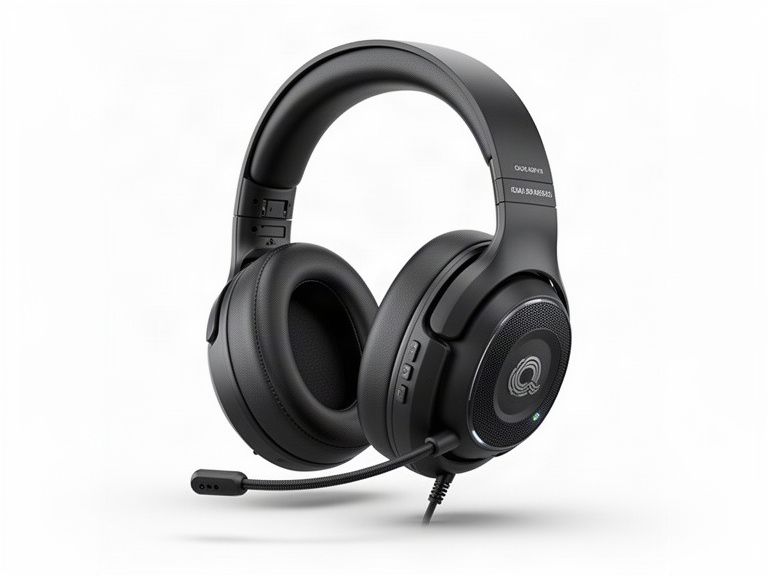
HyperX Cloud Alpha Wireless
Players who hate charging
Connection2.4 GHz wireless (USB receiver)Drivers50 mm dual-chamberMicrophoneDetachable, noise-canceling -
5
 Illustration
Best budget
HyperX Cloud II Wired
Budget buyers and first headsets
ConnectionWired 3.5 mm + USB sound cardDrivers53 mmMicrophoneDetachable, noise-canceling
SteelSeries Arctis Nova Pro Wireless
Illustration
A premium wireless headset with active noise cancellation, a base station and two hot-swappable batteries.
Best for: Players who want premium sound and no battery downtime- Connection
- 2.4 GHz wireless + Bluetooth via base station
- Drivers
- 40 mm
- Microphone
- Retractable boom, noise-reducing
- Battery
- Two swappable batteries
- Noise cancellation
- Active (ANC)
What we like
- Swappable batteries mean it never needs to stop for charging
- Base station with a dial for volume, EQ and chat mix
- Active noise cancellation for loud rooms
- Simultaneous 2.4 GHz and Bluetooth audio
Keep in mind
- Premium-priced
- Xbox needs the separate Xbox version
- Base station takes desk space
The Arctis Nova Pro Wireless solves the most annoying thing about wireless headsets: the battery. It comes with two batteries, one in the headset and one charging in the base station, and you swap them in seconds without the headset turning off.
That base station also acts as a control center, with a dial and small screen for volume, EQ presets and the balance between game and chat audio. The headset can stay connected over 2.4 GHz and Bluetooth at the same time, so a phone call can come through while you play, and active noise cancellation helps in shared rooms.
The retractable mic tucks away when you are just listening. It is expensive, and the standard version supports PC and PlayStation; Xbox players need the separate Xbox edition.
Bottom line: The most complete wireless headset for PC players who want premium sound and zero charging downtime.
Razer BlackShark V2 Pro Wireless
Illustration
A light, esports-focused wireless headset with a strong detachable mic and long battery life.
Best for: Shooter players who want clear comms- Connection
- HyperSpeed 2.4 GHz wireless + Bluetooth
- Drivers
- 50 mm TriForce Titanium
- Microphone
- Detachable HyperClear super wideband
- Battery
- Up to 70 hours (maker)
What we like
- Clear detachable mic built for team chat
- Light frame with breathable cushions
- Long battery life
- Bluetooth for phone use
Keep in mind
- Plain design with limited onboard controls
- No active noise cancellation
- Xbox not supported over wireless
The BlackShark V2 Pro is built around what competitive players actually need: clear team chat, accurate positional audio and comfort over long sessions. Razer's super wideband mic captures a fuller range of your voice than typical headset mics, which helps teammates understand quick callouts.
The 50 mm drivers are tuned with a focus on detail, and Razer offers game-specific EQ profiles through its software. The frame is light and the breathable foam cushions stay comfortable for hours, while a battery rated for up to 70 hours means charging is an occasional chore.
There is no noise cancellation and the controls are simple. It works on PC and PlayStation over the USB receiver; Xbox players should look at an Xbox-specific headset.
Bottom line: A light, focused headset for competitive players who care most about clear comms and comfort.
Logitech G Pro X 2 LIGHTSPEED Wireless
Illustration
A sturdy wireless headset with large graphene drivers and three ways to connect: LIGHTSPEED, Bluetooth and 3.5 mm.
Best for: Players who switch between PC, phone and wired devices- Connection
- LIGHTSPEED 2.4 GHz, Bluetooth, 3.5 mm wired
- Drivers
- 50 mm graphene
- Microphone
- Detachable boom
- Battery
- Up to 50 hours (maker)
What we like
- Three connection modes, including a wired fallback
- Large graphene drivers
- Durable metal frame
- Swappable cushions included
Keep in mind
- Heavier than some esports headsets
- Premium-priced
- Mic is good but not class-leading
The Pro X 2 is a headset you can plug into almost anything. Over LIGHTSPEED it gives low-lag wireless audio on PC, Bluetooth handles your phone, and a 3.5 mm cable lets it work with a controller or a Switch when the battery runs down.
Logitech uses 50 mm drivers with graphene diaphragms, a stiff material intended to reduce distortion, and the frame mixes aluminum and steel for durability. Battery life is rated at up to 50 hours, and you get both leatherette and velour cushions so you can choose between isolation and breathability.
It is not the lightest headset here, and the detachable mic is clear rather than outstanding. For people who split time between a PC and other devices, the flexibility is the main draw.
Bottom line: A well-built wireless headset for players who want one headset for PC, phone and console.
HyperX Cloud Alpha Wireless
Illustration
A comfortable wireless headset rated for up to 300 hours on a charge.
Best for: Players who hate charging- Connection
- 2.4 GHz wireless (USB receiver)
- Drivers
- 50 mm dual-chamber
- Microphone
- Detachable, noise-canceling
- Battery
- Up to 300 hours (maker)
- Surround
- DTS Headphone:X spatial audio
What we like
- Exceptionally long battery life
- Comfortable memory foam and a sturdy aluminum frame
- Dual-chamber drivers keep bass from muddying mids
- DTS Headphone:X spatial audio
Keep in mind
- No Bluetooth
- Mic is just adequate
- No Xbox wireless support
The Cloud Alpha Wireless's headline number is hard to ignore: a battery rated for up to 300 hours. For many people that means charging once a month or less, which removes the biggest annoyance of wireless headsets.
It builds on the wired Cloud Alpha, with dual-chamber drivers that separate bass from mids and highs, a durable aluminum frame and the soft memory foam that made HyperX's Cloud line popular. DTS Headphone:X spatial audio is available through HyperX's software for players who like virtual surround.
The detachable mic is serviceable rather than great, and there is no Bluetooth, so it will not double as a phone headset. It connects to PC and PlayStation through its USB receiver.
Bottom line: The pick if you want a comfortable wireless headset you almost never have to charge.
HyperX Cloud II Wired
Illustration
A long-running wired headset with comfortable memory foam, a detachable mic and a USB sound card.
Best for: Budget buyers and first headsets- Connection
- Wired 3.5 mm + USB sound card
- Drivers
- 53 mm
- Microphone
- Detachable, noise-canceling
- Surround
- Virtual 7.1 via USB sound card
What we like
- Comfortable memory foam and a sturdy aluminum frame
- Works with almost any device over 3.5 mm
- USB sound card adds virtual 7.1 and inline controls
- Spare velour cushions included
Keep in mind
- Cable can be long and tangle-prone
- Virtual surround is hit-or-miss
- Mic is basic
The Cloud II has been a go-to budget recommendation for years because it gets comfort and durability right. The aluminum frame holds up to daily use, the memory foam cushions suit long sessions, and HyperX includes both leatherette and velour cushions so you can choose between noise isolation and cooler ears.
It connects with a 3.5 mm plug for consoles and phones, or through the included USB sound card on PC, which adds inline volume and mic controls and a virtual 7.1 surround mode. The 53 mm drivers are tuned for a lively, game-friendly sound.
The detachable mic is fine for team chat but not for streaming, and the long cable can be fiddly. For the price, it remains one of the most dependable headset buys.
Bottom line: A comfortable, durable wired headset that covers the basics well on a budget.
Side-by-side comparison
| Product | Connection | Drivers | Microphone | Battery | Score |
|---|---|---|---|---|---|
| SteelSeries Arctis Nova Pro WirelessBest overall | 2.4 GHz wireless + Bluetooth via base station | 40 mm | Retractable boom, noise-reducing | Two swappable batteries | 9.3 |
| Razer BlackShark V2 Pro WirelessBest for competitive play | HyperSpeed 2.4 GHz wireless + Bluetooth | 50 mm TriForce Titanium | Detachable HyperClear super wideband | Up to 70 hours (maker) | 9.1 |
| Logitech G Pro X 2 LIGHTSPEED WirelessBest multi-connection | LIGHTSPEED 2.4 GHz, Bluetooth, 3.5 mm wired | 50 mm graphene | Detachable boom | Up to 50 hours (maker) | 9.0 |
| HyperX Cloud Alpha WirelessBest battery life | 2.4 GHz wireless (USB receiver) | 50 mm dual-chamber | Detachable, noise-canceling | Up to 300 hours (maker) | 8.8 |
| HyperX Cloud II WiredBest budget | Wired 3.5 mm + USB sound card | 53 mm | Detachable, noise-canceling | — | 8.5 |
Specifications are from manufacturer listings at the time of writing and can change between production runs.
Wired or wireless?
Wired headsets cost less for the same sound quality, never need charging and have no receiver to lose. A plain 3.5 mm plug works with almost anything; a USB connection adds a sound card with software features.
Wireless headsets use a 2.4 GHz USB receiver for low-lag game audio, often with Bluetooth on top for a phone. They free you from the desk, but you will need to charge them, and battery life ranges from a couple of days to several weeks depending on the model.
Comfort decides whether you keep wearing it
Comfort matters more than small differences in sound. Look at weight, clamp force, and ear cushion material. Memory foam with fabric or velour covers stays cooler; leatherette seals better and blocks more noise but gets warm. If you wear glasses, softer cushions and a gentle clamp reduce pressure on the arms of your frames. A suspension headband spreads weight better than a single padded band.
The microphone matters to everyone else
A detachable or retractable boom mic is the norm. Look for noise reduction, a quick mute (a flip-to-mute boom or a button), and sidetone, which lets you hear your own voice so you do not shout. If you stream or record, a separate USB or XLR microphone will still sound better than any headset mic.
Surround sound: useful but optional
Virtual surround (DTS Headphone:X, Dolby Atmos or a maker's own processing) can make some games feel more spacious, but it can also muddy positional cues. Many competitive players turn it off and rely on the game's own audio processing with plain stereo. Treat surround as a bonus, not a reason to buy.
Platform compatibility
USB receivers made for PC often also work with PlayStation consoles, but Xbox requires headsets built for its own wireless standard. Several brands sell separate Xbox versions of the same headset, so check the exact version before buying if you play on both PC and Xbox.
Care tips
Wipe ear cushions regularly with a slightly damp cloth, and replace them when the foam flattens — most popular headsets have replacement pads available. Store the headset on a stand or hook rather than squashed in a drawer, and avoid leaving a wireless headset fully drained for long periods.
Frequently asked questions
Is a gaming headset better than headphones and a separate mic?
Not always. A good pair of headphones plus a desk microphone often sounds better than a headset at a similar price, but it is more gear to set up and the mic picks up more room noise. A headset is simpler and keeps your voice close to the mic.
Do wireless gaming headsets have noticeable lag?
Not when they use a 2.4 GHz USB receiver; game audio stays in sync. Bluetooth has more delay and is better kept for calls and music. Some headsets let you use both at once.
Do I need 7.1 surround sound for gaming?
No. Virtual surround can add a sense of space, but stereo headphones already give good positional cues, and many competitive players turn surround off. Try both and keep whichever helps you place sounds more easily.
Will a PC gaming headset work with my PS5 or Xbox?
Many USB-receiver headsets made for PC also work with PS5, and any headset with a 3.5 mm plug works through the controller's headphone jack. Wireless Xbox use generally requires an Xbox-specific version, so check the maker's compatibility list for the exact model.
How long do ear cushions last?
It depends on use, but heavy daily use can flatten foam and crack leatherette within a year or two. Replacement cushions are inexpensive for most popular models and make an older headset feel nearly new.
How we picked
We compared manufacturer specifications for drivers, microphone design, connection options, battery life and platform compatibility, along with weight, ear cushion materials and software features, for widely available PC gaming headsets from established brands. Our picks and scores are based on this research — we have not tested these products hands-on. Brands cannot pay to be included. Read our full method.