






















The best cut-resistant work gloves
Four cut-resistant work gloves compared, with what ANSI A1 to A9 cut levels mean, which coating grips best, and where gloves should not be worn at all.
As an Amazon Associate I earn from qualifying purchases. When you buy through links on this page, we may earn a commission at no extra cost to you. Learn more
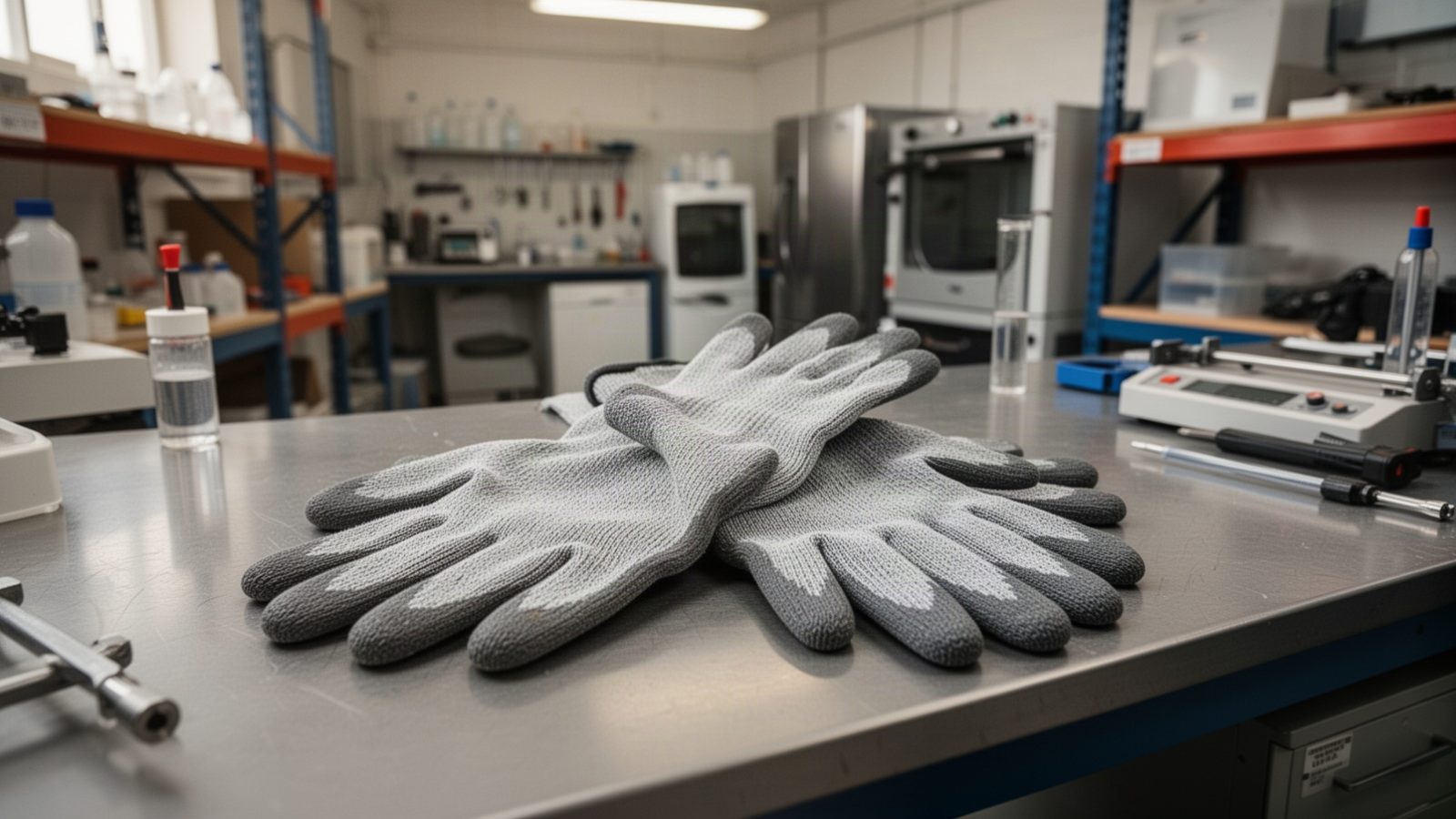
Cut-resistant gloves use tough fibers such as high-performance polyethylene (HPPE), glass or steel blends knitted into a liner that resists slicing from sharp edges. They are standard kit for handling sheet metal, glass, ductwork, drywall, box cutters and sharp-edged materials, and useful at home for carving, glass work and heavy yard cleanup.
The challenge is matching protection to the job. Higher cut levels resist more cutting force but are usually thicker and less nimble, and the palm coating changes how well you grip oily or dry materials. We compared popular gloves from Milwaukee, ATG and NoCry on their published cut ratings, coatings, intended uses and dexterity. Remember that cut-resistant does not mean cut-proof: gloves reduce the risk of some injuries but cannot prevent all of them, and they do not protect against punctures or rotating machinery. Follow your employer's PPE assessment and the manufacturer's instructions.
Our top picks
-
1
 Illustration
Best overall
Milwaukee Cut Level 3 Nitrile Dipped Gloves
General construction, framing and material handling
Cut ratingANSI A3CoatingNitrile, palm dippedBest useGeneral construction and material handling -
2
 Illustration
Best for sharp metal and glass
Milwaukee Cut Level 5 Nitrile Dipped Gloves
Sheet metal, ductwork and glass handling
Cut ratingANSI A5CoatingNitrile, palm dippedBest useSheet metal, HVAC and glass handling -
3
 Illustration
Best dexterity
ATG MaxiFlex Cut Nitrile-Coated Gloves
Precise work with light cut hazards
Cut ratingLight cut protection (see label for ANSI level)CoatingMicro-foam nitrile, palm coatedBest useAssembly, electrical rough-in and small parts -
4
 Illustration
Best uncoated knit
NoCry Cut Resistant Gloves
Woodcarving, glass crafts and food prep
Cut ratingRated by maker (see label for ANSI level)CoatingNone (uncoated knit)Best useCarving, glass crafts and kitchen prep
Milwaukee Cut Level 3 Nitrile Dipped Gloves
Illustration
A mid-level cut glove with a grippy nitrile palm that suits most jobsite tasks.
Best for: General construction, framing and material handling- Cut rating
- ANSI A3
- Coating
- Nitrile, palm dipped
- Best use
- General construction and material handling
What we like
- Moderate cut protection for everyday jobsite hazards
- Nitrile palm grips well with dusty or lightly oily materials
- Breathable uncoated back
- Widely available in multiple sizes
Keep in mind
- Not enough for sharp sheet metal or glass handling
- Coating wears through with heavy abrasion
- Sizing runs differently from some brands
For a single pair of gloves to cover most construction and handling jobs, a mid-level cut rating is the sweet spot, and Milwaukee's Cut Level 3 dipped gloves are among the most widely available. The A3 rating handles the everyday sharp edges of lumber banding, cut drywall corners, utility knife slips and rough stock better than basic knit gloves.
The nitrile-dipped palm grips dusty and lightly oily materials well and resists abrasion, while the uncoated back lets heat escape. They are thin enough for handling screws and fasteners without constantly pulling them off.
They are not meant for high-hazard work such as sharp sheet metal, ductwork or glass panes, where a higher cut level is the better match.
Bottom line: The best everyday cut glove for most construction and handling work.
Milwaukee Cut Level 5 Nitrile Dipped Gloves
Illustration
A higher cut-level glove for sharp-edged materials, with a nitrile palm for grip.
Best for: Sheet metal, ductwork and glass handling- Cut rating
- ANSI A5
- Coating
- Nitrile, palm dipped
- Best use
- Sheet metal, HVAC and glass handling
What we like
- Higher cut resistance for sharp edges
- Nitrile palm for a confident grip
- Uncoated back stays breathable
- Same fit and sizing as Milwaukee's lower cut levels
Keep in mind
- Thicker and warmer than A3 gloves
- Less fingertip feel for small fasteners
- Still not protection against punctures
When you are handling freshly cut sheet metal, ductwork, flashing or glass, the edges are sharper and the risk is higher. Milwaukee's Cut Level 5 dipped gloves step up to an A5 rating while keeping the familiar nitrile-palm design.
The heavier liner adds cutting resistance at the cost of some warmth and fingertip sensitivity, so picking up small screws is a little harder than with the A3 version. For HVAC installers, sheet metal fabricators and glaziers, that trade is usually worthwhile.
Like all knit cut gloves, they do not stop punctures from wire ends or thin points, and they should never be worn near rotating machinery.
Bottom line: The step-up pick when sharp metal or glass is part of the daily job.
ATG MaxiFlex Cut Nitrile-Coated Gloves
Illustration
A thin, breathable cut-resistant glove with a micro-foam nitrile palm and excellent finger feel.
Best for: Precise work with light cut hazards- Cut rating
- Light cut protection (see label for ANSI level)
- Coating
- Micro-foam nitrile, palm coated
- Best use
- Assembly, electrical rough-in and small parts
What we like
- Thin and flexible for fine work
- Very breathable micro-foam coating
- Comfortable for all-day wear
- Popular across many trades
Keep in mind
- Lower cut resistance than heavy-duty gloves
- Thin coating wears faster under heavy abrasion
- Not suited to sharp sheet metal
MaxiFlex gloves are known for feeling almost like a second skin, and the MaxiFlex Cut keeps that dexterity while adding a cut-resistant liner. The micro-foam nitrile palm grips well and breathes better than many dipped coatings, so hands stay cooler and less sweaty.
That makes it a strong choice for assembly, electrical rough-in, mechanics, warehouse picking and other jobs where you handle small parts and want some protection from sharp edges without giving up touch. Check the printed ANSI rating on the version you buy, since cut levels vary across the MaxiFlex range.
The thin construction is also its limit. For sharp sheet metal or glass, choose a higher cut level, and expect the coating to wear faster on rough, abrasive materials.
Bottom line: The most nimble choice for lighter cut hazards and fine work.
NoCry Cut Resistant Gloves
Illustration
A washable, uncoated cut-resistant knit glove popular with carvers and home cooks.
Best for: Woodcarving, glass crafts and food prep- Cut rating
- Rated by maker (see label for ANSI level)
- Coating
- None (uncoated knit)
- Best use
- Carving, glass crafts and kitchen prep
What we like
- Breathable and comfortable without a coating
- Machine washable
- Food-safe versions suit kitchen use
- Inexpensive way to protect the non-knife hand
Keep in mind
- Little grip on smooth or oily materials
- No puncture protection against knife points
- Not designed for heavy construction work
Not every cutting hazard is on a jobsite. NoCry's uncoated knit gloves are popular with woodcarvers, whittlers, glass crafters and cooks using mandolines and oyster knives, where you mainly need to protect the hand holding the work.
Without a coating, they are breathable and easy to machine wash, and NoCry markets food-safe versions for kitchen use. Check the current cut rating on the package or listing for the size and version you buy.
The lack of coating means limited grip on smooth or oily materials, and like all knit gloves they do little against point punctures from a knife tip. For construction and material handling, a dipped glove like the Milwaukee pair is the better fit.
Bottom line: A comfortable, washable cut glove for carving, crafts and kitchen tasks.
Side-by-side comparison
| Product | Cut rating | Coating | Best use | Score |
|---|---|---|---|---|
| Milwaukee Cut Level 3 Nitrile Dipped GlovesBest overall | ANSI A3 | Nitrile, palm dipped | General construction and material handling | 8.9 |
| Milwaukee Cut Level 5 Nitrile Dipped GlovesBest for sharp metal and glass | ANSI A5 | Nitrile, palm dipped | Sheet metal, HVAC and glass handling | 8.6 |
| ATG MaxiFlex Cut Nitrile-Coated GlovesBest dexterity | Light cut protection (see label for ANSI level) | Micro-foam nitrile, palm coated | Assembly, electrical rough-in and small parts | 8.5 |
| NoCry Cut Resistant GlovesBest uncoated knit | Rated by maker (see label for ANSI level) | None (uncoated knit) | Carving, glass crafts and kitchen prep | 7.9 |
Specifications are from manufacturer listings at the time of writing and can change between production runs.
How ANSI cut levels work
In the US, cut resistance is rated under the ANSI/ISEA 105 standard on a scale from A1 to A9. Each level reflects how much cutting force, in grams, it takes for a blade to cut through the material in a standardized test, from at least 200 grams at A1 up to 6,000 grams or more at A9. Higher numbers mean more cut resistance in the test. Gloves sold in Europe use EN 388, which rates cut on a separate letter scale; many gloves carry both markings.
Look for the cut rating printed on the glove or packaging, not just a "cut-resistant" claim in the title.
Choosing a cut level for the job
- A1 to A3: light to moderate hazards such as general material handling, packaging, small parts, framing and drywall.
- A4 to A6: moderate to high hazards such as sheet metal, ductwork, glass handling and sharp-edged stock.
- A7 to A9: very high hazards such as metal stamping, recycling and handling large glass panels.
Over-protecting has a cost: higher-cut gloves tend to be warmer, stiffer and less sensitive, which can lead people to take them off for fiddly tasks. Choose the lowest level that matches your hazard assessment.
Coatings, grip and dexterity
- Nitrile coatings grip well in light oil and resist abrasion; micro-foam nitrile is softer and more breathable.
- Polyurethane coatings are thin and flexible, good for dry, precise work.
- Latex grips well in wet conditions but can cause allergies.
- Uncoated knit gloves are the most breathable and easy to wash, but grip less on smooth materials.
Palm-dipped gloves keep the back of the hand breathable; full-dip coatings add protection from liquids and dirt but feel warmer.
Fit and sizing
A glove that is too large bunches and snags; one that is too small tires your hands and wears through quickly. Check the brand's size chart against your hand circumference and length, and buy a single pair before ordering in bulk.
Care, replacement and limits
- Wash gloves following the manufacturer's instructions; many knit gloves are machine washable, but heat can damage some fibers and coatings.
- Inspect gloves before each use and replace them when the coating wears through or the knit is cut, frayed or thin.
- Do not wear gloves near rotating equipment such as drill presses, lathes and table saws, where a glove can be caught and pull your hand in.
- Cut ratings do not cover punctures from needles, wire or splinters, which have separate ratings.
Frequently asked questions
What do ANSI cut levels A1 to A9 mean?
They come from the ANSI/ISEA 105 standard and describe how much cutting force a glove material withstood in a standardized test. A1 is the lowest level and A9 the highest. Match the level to the hazards identified for your job.
Are cut-resistant gloves cut-proof?
No. They resist slicing from sharp edges to the level shown on their rating, but a sharp enough edge, enough force, a sawing motion or a power tool can still cut through. Treat them as one layer of protection, not a guarantee.
Can I wash cut-resistant gloves?
Many can be machine washed, but follow the care instructions for your glove. High heat from dryers can damage some fibers and coatings. Washing removes grit and oils that degrade the glove and keeps them more comfortable.
Should I wear gloves when using power tools?
Not around rotating parts such as drill press chucks, lathes and table saw blades, where a glove can be caught and pull your hand in. For handling sharp stock before and after cutting, cut-resistant gloves are often appropriate. Follow tool manuals and workplace rules.
Do cut-resistant gloves stop punctures?
Generally not. Knit fibers that resist slicing can still let needles, wire ends and thin points pass between the yarns. If punctures are a risk, look for gloves with a separate puncture rating.
How we picked
We compared manufacturer specifications, published cut ratings, coatings, liner construction, intended uses, sizing and care instructions for widely available cut-resistant work gloves, alongside the ANSI/ISEA 105 standard. Our picks and scores are based on this research — we have not tested these products hands-on. Brands cannot pay to be included. Read our full method.