






















The best spark plugs for long life and smooth ignition
Five iridium spark plug lines compared — NGK Laser Iridium and Iridium IX, Denso Iridium TT, Autolite Iridium XP and Bosch Double Iridium — and how to match a plug to your engine.
As an Amazon Associate I earn from qualifying purchases. When you buy through links on this page, we may earn a commission at no extra cost to you. Learn more
Spark plugs fire thousands of times a minute to ignite the air-fuel mixture in each cylinder. As they wear, the gap between the electrodes grows, the ignition system needs more voltage to fire, and you may notice a rough idle, hesitation, misfires or harder starting. Modern long-life plugs can last tens of thousands of miles, but they still need replacing on the schedule in your owner’s manual.
Spark plugs are not one-size-fits-all. Thread size, reach, seat type, heat range and gap all have to match the engine, and the electrode metals affect how long a plug lasts. We compared popular iridium plug lines from NGK, Denso, Autolite and Bosch on electrode design, intended use and service life, and picked the right plug for different engines and drivers.
Our top picks
-
1
 Illustration
Best overall
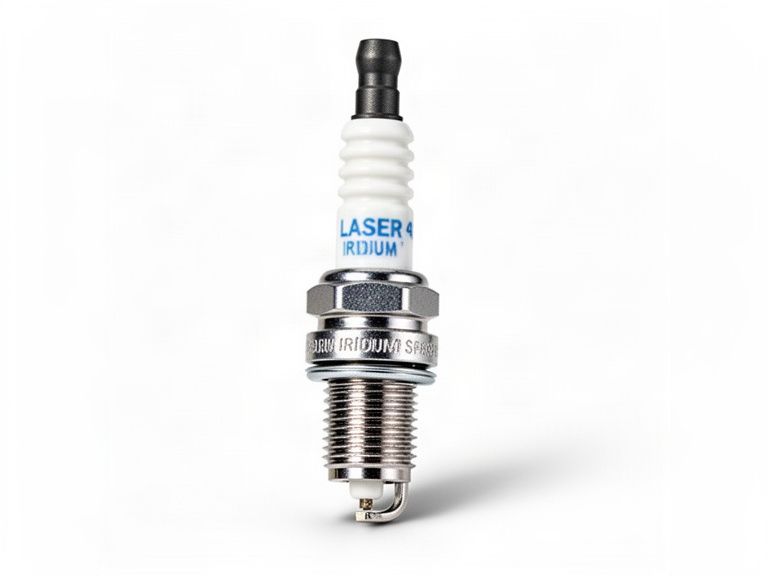
NGK Laser Iridium Spark Plugs
Replacing original long-life plugs in modern engines
Center electrodeFine-wire iridiumGround electrodePlatinum tipDesigned forLong-life, OE-style replacement -
2
 Illustration
Best long-life upgrade
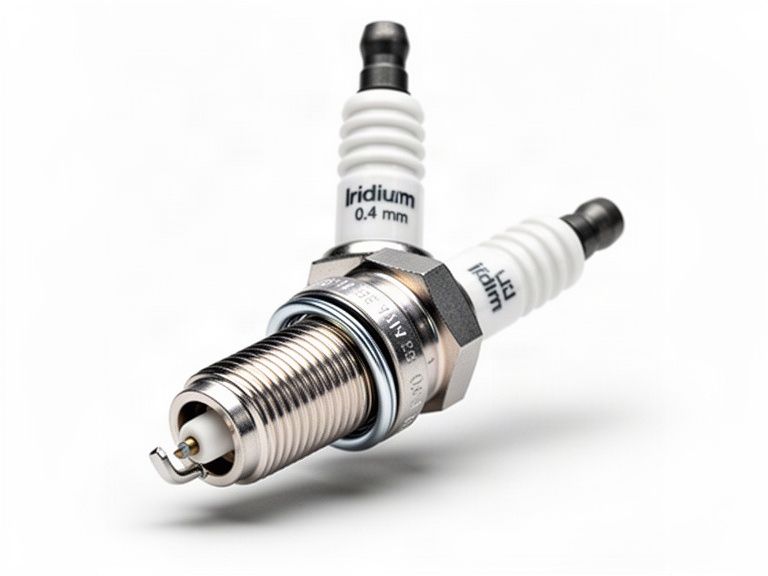
Denso Iridium TT Spark Plugs
Upgrading older engines from copper or single-platinum plugs
Center electrodeIridium, 0.4 mmGround electrodePlatinum tipDesigned forLong-life replacement and upgrade -
3
 Illustration
Best for performance engines
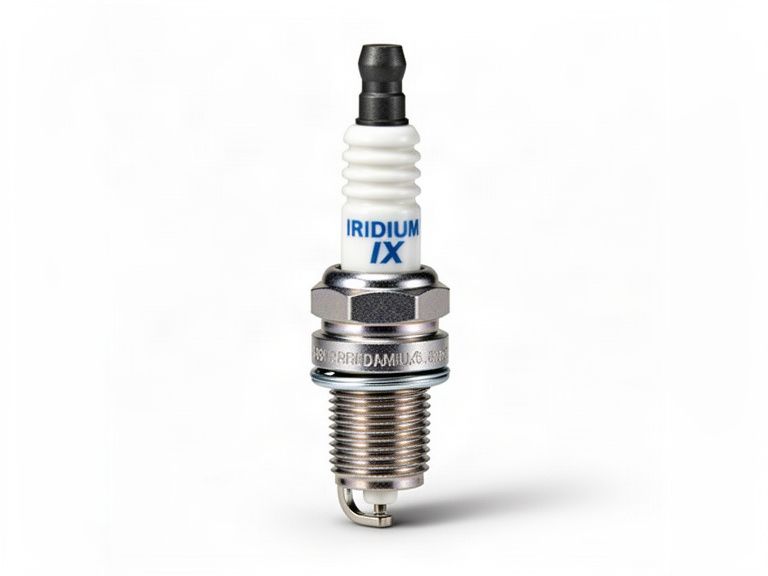
NGK Iridium IX Spark Plugs
Tuned, turbocharged and modified engines
Center electrodeIridium, 0.6 mmGround electrodeNo precious-metal tipDesigned forPerformance and modified engines -
4
 Illustration
Best value iridium
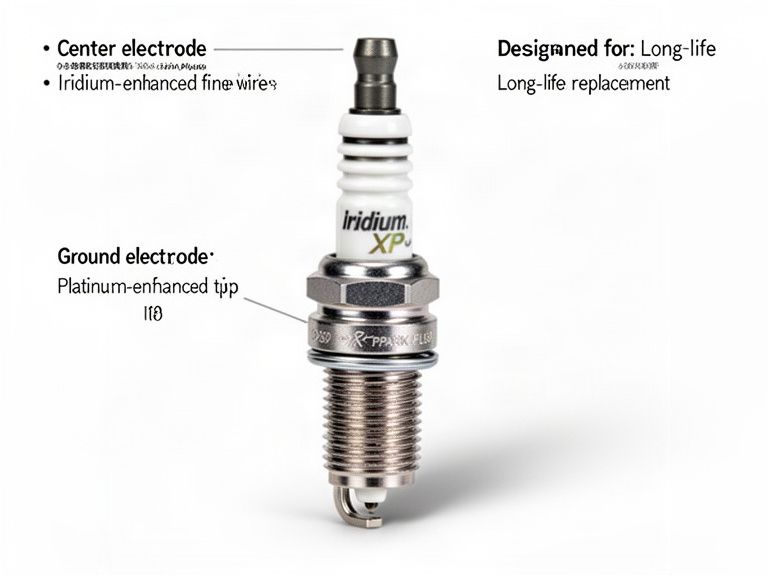
Autolite Iridium XP Spark Plugs
Domestic vehicles and budget-conscious long-life replacements
Center electrodeIridium-enhanced fine wireGround electrodePlatinum-enhanced tipDesigned forLong-life replacement -
5
 Illustration
Best double-iridium design
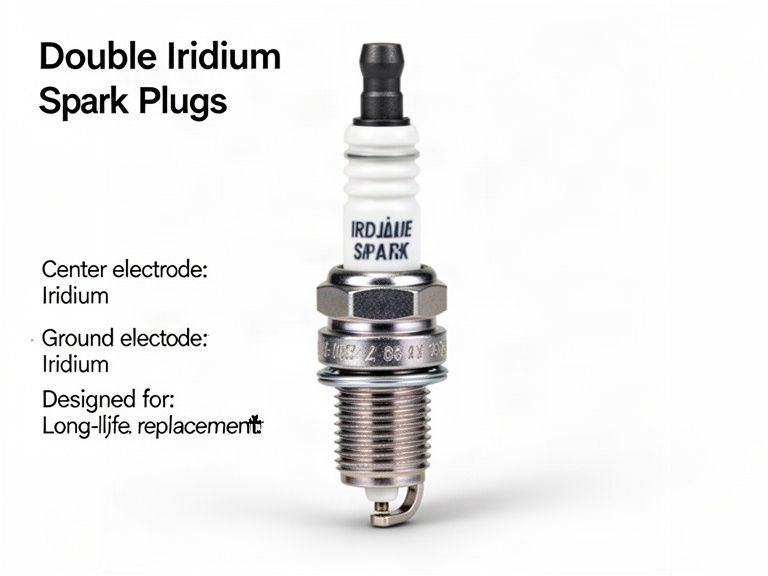
Bosch Double Iridium Spark Plugs
Engines that call for precious metal on both electrodes
Center electrodeIridiumGround electrodeIridiumDesigned forLong-life, OE-style replacement
NGK Laser Iridium Spark Plugs
Illustration
NGK’s long-life, original-equipment-style plug with an iridium center and platinum ground tip.
Best for: Replacing original long-life plugs in modern engines- Center electrode
- Fine-wire iridium
- Ground electrode
- Platinum tip
- Designed for
- Long-life, OE-style replacement
What we like
- Original-equipment design for many modern engines
- Precious metal on both electrodes for long service life
- Broad application coverage
- From one of the largest spark plug makers
Keep in mind
- Costs more than copper or single-platinum plugs
- Must match the exact part number for your engine
NGK’s Laser Iridium plugs are the long-life design many automakers fit at the factory, which makes them the natural choice when you are replacing the original plugs. They pair a fine iridium center electrode with a platinum tip on the ground electrode, so both sides of the gap resist wear, and they are built for the long replacement intervals of modern engines.
If your engine came with NGK Laser Iridium plugs, or the automaker specifies a long-life iridium plug, this is the most straightforward way to match the original design. They cost more than basic plugs, but they last much longer. Confirm the correct part number for your make, model, year and engine using NGK’s catalog or the seller’s fitment checker, and check the gap with a wire gauge rather than prying on the fine center electrode.
Bottom line: The go-to long-life replacement for most modern engines.
Denso Iridium TT Spark Plugs
Illustration
A twin-tip design with a very fine iridium center electrode and a platinum ground tip.
Best for: Upgrading older engines from copper or single-platinum plugs- Center electrode
- Iridium, 0.4 mm
- Ground electrode
- Platinum tip
- Designed for
- Long-life replacement and upgrade
What we like
- Ultra-fine 0.4 mm iridium center electrode
- Twin Tip design with a platinum ground tip
- Denso is an original-equipment supplier to many automakers
- Long service life
Keep in mind
- Not offered for every engine
- Premium-priced compared with standard plugs
Denso, a major original-equipment supplier, designed its Iridium TT (Twin Tip) line around very fine electrodes: a 0.4 mm iridium center electrode and a platinum-tipped ground electrode. Finer tips need less voltage to fire and interfere less with the early flame, which Denso says helps ignition, and the precious metals on both sides resist wear.
It is a popular upgrade for older engines that originally used copper or single-platinum plugs, as well as a long-life replacement on many newer engines. Coverage doesn’t extend to every application, so confirm the correct part for your make, model, year and engine using Denso’s catalog or the seller’s fitment checker, and stick with the heat range it specifies.
Bottom line: A strong long-life upgrade with very fine twin tips.
NGK Iridium IX Spark Plugs
Illustration
A performance-focused iridium plug with a fine center electrode, offered in multiple heat ranges.
Best for: Tuned, turbocharged and modified engines- Center electrode
- Iridium, 0.6 mm
- Ground electrode
- No precious-metal tip
- Designed for
- Performance and modified engines
What we like
- Fine 0.6 mm iridium center electrode for strong ignition
- Popular for tuned and high-performance engines
- Commonly available in several heat ranges
- Widely available
Keep in mind
- NGK positions it as a performance plug, not a long-life one
- Shorter replacement interval than Laser Iridium plugs
NGK’s Iridium IX is aimed at performance rather than maximum longevity. A fine 0.6 mm iridium center electrode focuses the spark and needs less voltage to fire, which helps in high-compression, turbocharged or modified engines, and the line is commonly available in several heat ranges for tuners who need a colder plug.
The trade-off is service life. NGK positions Iridium IX as a performance plug rather than a long-life one, so it typically needs replacing sooner than a Laser Iridium plug. That makes it a poor fit if your owner’s manual calls for long-life plugs and you want to keep the factory interval. Choose it for performance applications, and confirm fitment and heat range for your make, model, year and engine.
Bottom line: The pick for tuned or performance engines, not for stretching service intervals.
Autolite Iridium XP Spark Plugs
Illustration
A budget-friendly long-life plug with a fine-wire iridium-enhanced center electrode.
Best for: Domestic vehicles and budget-conscious long-life replacements- Center electrode
- Iridium-enhanced fine wire
- Ground electrode
- Platinum-enhanced tip
- Designed for
- Long-life replacement
What we like
- Fine-wire iridium-enhanced center electrode
- Precious metal on the ground electrode for long life
- Budget-friendly for an iridium plug
- Widely stocked in US parts stores
Keep in mind
- Not the original-equipment brand for most imports
- Some engines run best on their factory-specified plug
Autolite is a long-standing American spark plug brand, and its Iridium XP line brings fine-wire iridium technology to a budget-friendly price. The center electrode uses an iridium-enhanced fine wire, and the ground electrode has a platinum-enhanced tip, so both sides of the gap are built to resist wear over long service intervals.
It is a sensible choice for domestic vehicles and for drivers who want long-life plugs without paying top prices. Some engines — particularly certain imports — are known to be sensitive to plug design, so if your engine came with a specific plug and runs well, matching it is the cautious approach. Confirm the correct part number for your make, model, year and engine with Autolite’s lookup or the seller’s fitment checker.
Bottom line: A budget-friendly long-life iridium plug, especially for domestic vehicles.
Bosch Double Iridium Spark Plugs
Illustration
A long-life plug with iridium on both the center and ground electrodes.
Best for: Engines that call for precious metal on both electrodes- Center electrode
- Iridium
- Ground electrode
- Iridium
- Designed for
- Long-life, OE-style replacement
What we like
- Iridium on both the center and ground electrodes
- Well suited to wasted-spark ignition systems
- Original-equipment supplier to many automakers
- Long service life
Keep in mind
- Premium-priced
- Check that Bosch lists your exact engine before ordering
Bosch’s Double Iridium plugs put iridium on both electrodes rather than just the center. That matters most in wasted-spark ignition systems, where one coil fires two cylinders at once and one of each pair fires with reversed polarity, wearing the ground electrode faster than in other designs. With iridium on both sides, the gap is designed to stay consistent over a long interval.
Bosch is an original-equipment supplier to many automakers, and Double Iridium plugs are a common replacement for engines that originally used double precious-metal plugs. They are premium-priced, and you should verify that Bosch lists your exact engine. Confirm fitment for your make, model, year and engine, and follow the torque specification in the installation instructions.
Bottom line: A long-life plug for engines that need precious metal on both electrodes.
Side-by-side comparison
| Product | Center electrode | Ground electrode | Designed for | Score |
|---|---|---|---|---|
| NGK Laser Iridium Spark PlugsBest overall | Fine-wire iridium | Platinum tip | Long-life, OE-style replacement | 9.2 |
| Denso Iridium TT Spark PlugsBest long-life upgrade | Iridium, 0.4 mm | Platinum tip | Long-life replacement and upgrade | 8.8 |
| NGK Iridium IX Spark PlugsBest for performance engines | Iridium, 0.6 mm | No precious-metal tip | Performance and modified engines | 8.5 |
| Autolite Iridium XP Spark PlugsBest value iridium | Iridium-enhanced fine wire | Platinum-enhanced tip | Long-life replacement | 8.4 |
| Bosch Double Iridium Spark PlugsBest double-iridium design | Iridium | Iridium | Long-life, OE-style replacement | 8.3 |
Specifications are from manufacturer listings at the time of writing and can change between production runs.
Match the plug to your engine
Use the plug type and heat range your automaker specifies, or the exact cross-reference from the plug maker’s catalog. Confirm fitment for your make, model, year and engine using the owner’s manual, the plug maker’s lookup or the seller’s fitment checker. The wrong reach or heat range can cause poor running, fouling or, in the worst case, engine damage — this is not a part to guess on.
Electrode metals explained
- Copper core with nickel alloy tips: excellent conductivity but the shortest life; some older and high-performance engines still specify them.
- Platinum: much longer life than nickel, common in engines from the 1990s and 2000s.
- Iridium: very hard and heat-resistant, which allows a fine-wire center electrode and the longest service life. Most modern engines specify iridium.
- Double precious metal: iridium or platinum on both electrodes, important in wasted-spark ignition systems, which wear the ground electrode faster.
Don’t downgrade from the type your engine was designed for; a lower-grade plug may need replacing far sooner.
Gap and pre-gapped plugs
Many iridium plugs come pre-gapped for the most common application. If you check the gap, use a wire-type gauge and adjust only the ground electrode — never pry against the fine center electrode, and avoid coin-style gauges that can damage it.
Installation tips
Work on a cold engine. Blow debris out of the plug wells before removing the old plugs, thread new plugs in by hand to avoid cross-threading, and tighten to the torque or angle specified by the plug maker. Many plug makers advise against anti-seize on plated threads because it changes the effective torque. Replace all plugs at the same time. On some engines the rear plugs sit under the intake manifold; if that’s the case, or you aren’t comfortable, have a mechanic do the job.
When to replace
Follow the interval in your owner’s manual, which may range from around 30,000 miles for copper plugs to around 100,000 miles for long-life iridium plugs on many engines. Replace sooner if you have misfires, rough running or a check-engine light pointing to ignition problems.
Frequently asked questions
How often should I change spark plugs?
Follow your owner’s manual. Intervals vary widely by engine and plug type, and long-life iridium plugs typically last far longer than copper plugs.
Are iridium spark plugs worth it?
If your engine specifies iridium plugs, use them. For older engines designed for copper or platinum plugs, iridium can extend the replacement interval, as long as you use the correct cross-referenced part and heat range.
Do I need to gap new spark plugs?
Many come pre-gapped, but it is worth checking against your engine’s specification with a wire-type gauge. Adjust only the ground electrode and never pry on the fine center electrode.
How do I find the right spark plugs for my car?
Confirm fitment for your make, model, year and engine using your owner’s manual, the plug maker’s catalog or the seller’s fitment checker. Thread size, reach and heat range all have to match.
Will performance spark plugs add horsepower?
On a stock engine, any gain is usually small. Performance plugs matter most on tuned, turbocharged or modified engines; for everything else, the correct plug for your engine is what counts.
How we picked
We compared manufacturer information on electrode materials, design, intended use and service life for widely available iridium spark plug lines sold in the US, and weighed which suit different engines and drivers. Our picks and scores are based on this research — we have not tested these products hands-on. Brands cannot pay to be included. Read our full method.