






















The best snowshoes
Four well-known snowshoes compared, from durable molded trail models to aggressive mountain snowshoes, with advice on sizing, bindings and heel lifts.
As an Amazon Associate I earn from qualifying purchases. When you buy through links on this page, we may earn a commission at no extra cost to you. Learn more
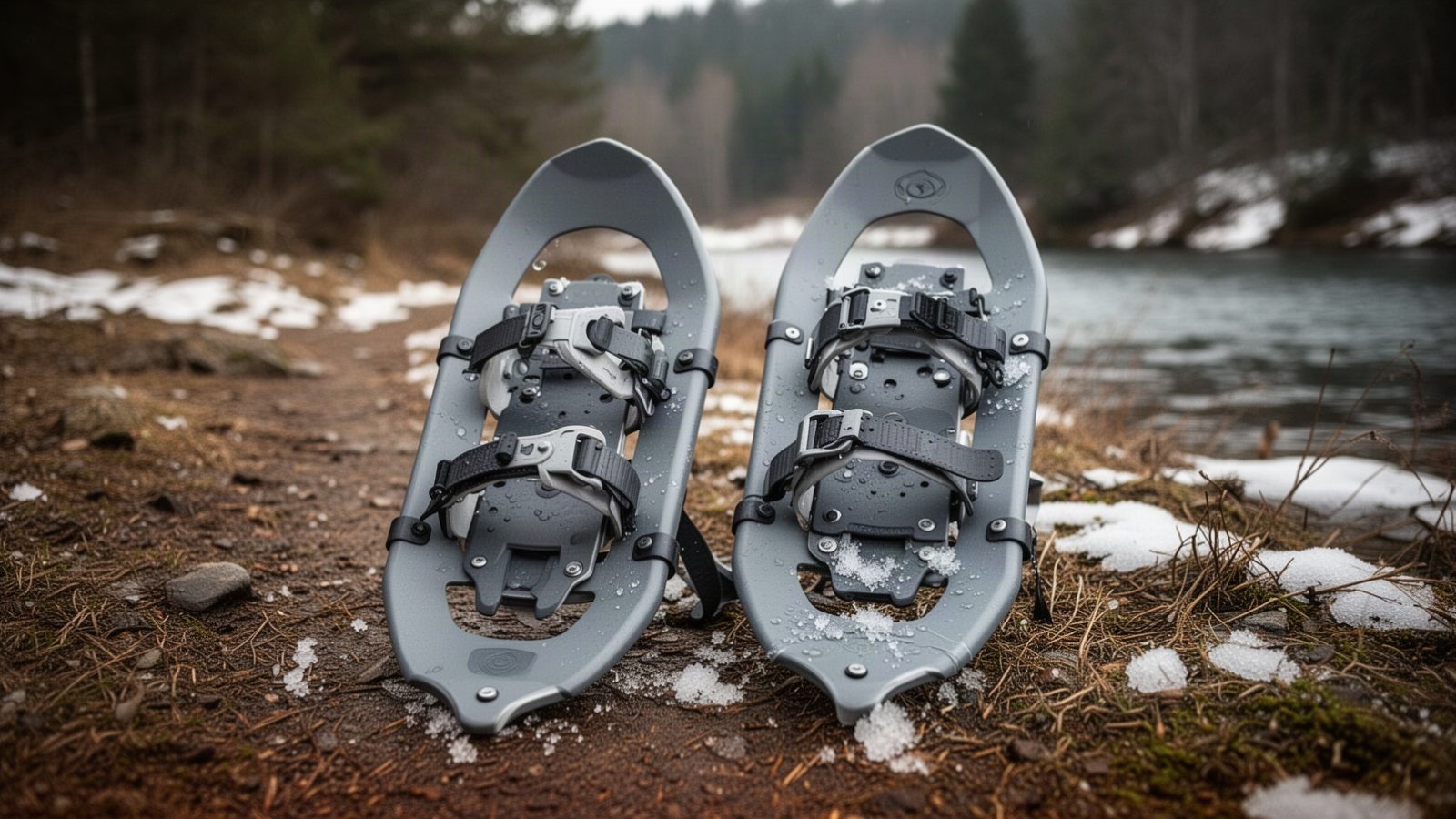
Snowshoeing is one of the easiest ways to keep hiking through winter. If you can walk, you can snowshoe, and a pair opens up trails, parks and backcountry routes that are impossible on foot once the snow gets deep. The snowshoe's job is to spread your weight so you float on the surface, and to grip when the trail turns icy or steep.
Snowshoes differ more than they look. Some are built for packed, flat trails and fitness walking; others have aggressive crampons and heel lifts for climbing mountains. The size you need depends on your weight with a pack and the type of snow where you live. We compared well-known snowshoes from MSR, Tubbs and Crescent Moon and picked the best options for everyday trails, steep mountain terrain, rolling hikes and packed-trail running, so you can match a pair to the way you actually use them.
Our top picks
-
1
 Illustration
Best overall
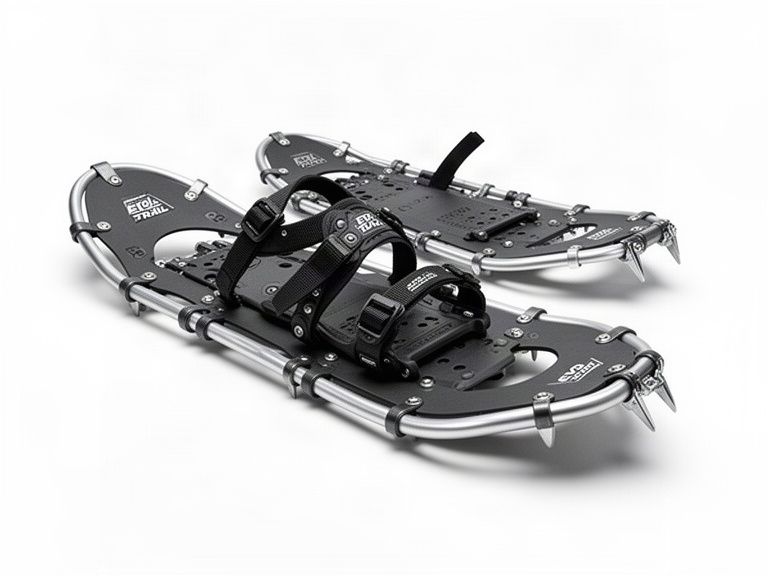
MSR Evo Trail Snowshoes 22 in
Day hikes on trails and rolling terrain
FrameOne-piece molded plastic deckTractionSteel traction rails and toe cramponHeel liftNo -
2
 Illustration
Best for mountains
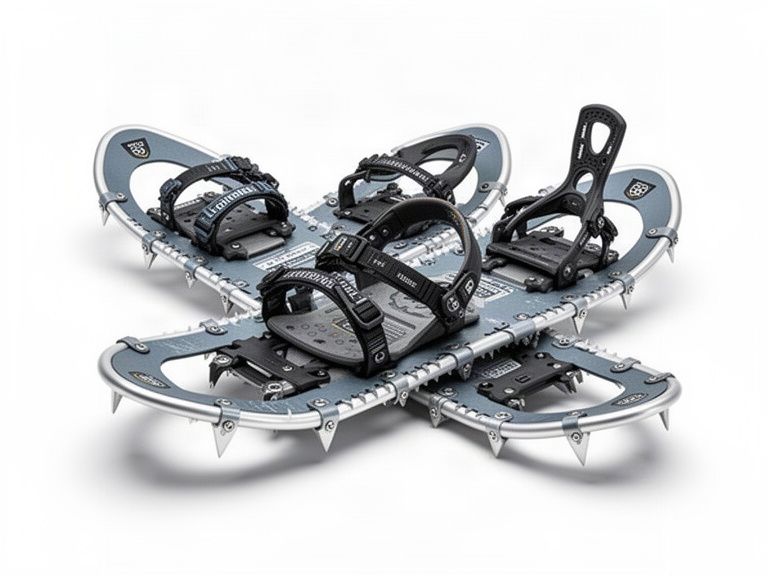
MSR Lightning Ascent Snowshoes
Steep climbs, icy traverses and backcountry trips
FrameAluminum 360 Traction frameTractionSerrated frame plus cramponsHeel liftYes, Ergo Televators -
3
 Illustration
Best for rolling hikes
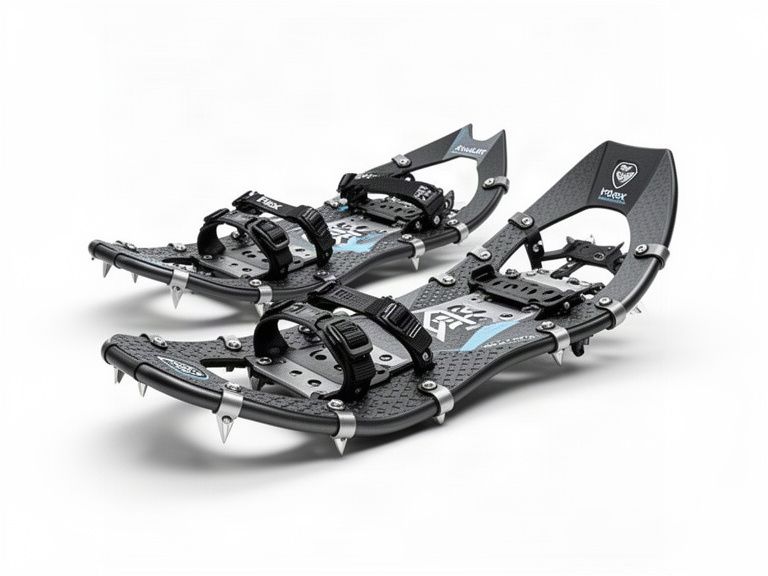
Tubbs Flex VRT Snowshoes
Hikers who want a natural stride with climbing help
FrameFlexible composite deck with flex tailTractionToe crampon and deck tractionHeel liftYes, ActiveLift -
4
 Illustration
Best for packed trails
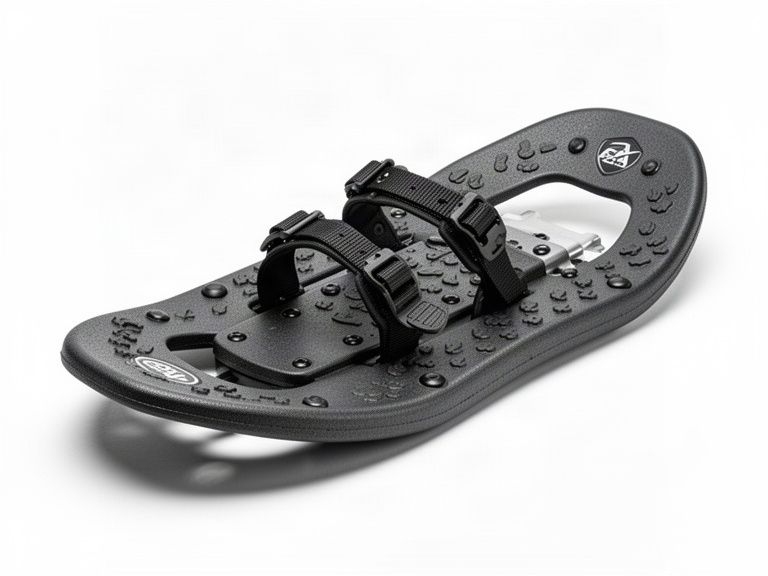
Crescent Moon EVA All-Foam Snowshoes
Walking and running on packed trails
FrameEVA foam, no metal frameTractionMolded treadHeel liftNo
MSR Evo Trail Snowshoes 22 in
Illustration
A tough, one-piece molded snowshoe with built-in steel traction and optional add-on tails.
Best for: Day hikes on trails and rolling terrain- Frame
- One-piece molded plastic deck
- Traction
- Steel traction rails and toe crampon
- Heel lift
- No
- Length
- 22 in (optional tails add 6 in)
What we like
- Very durable molded deck
- Built-in traction rails grip on firm snow
- Optional tails add float for powder
- Long-running, proven design
Keep in mind
- No heel lift for steep climbs
- Noisier on hard snow than flexible decks
- Short length needs tails in deep powder
The Evo Trail has been one of MSR's most popular snowshoes for years because it is tough and simple. The deck is a single piece of molded plastic with steel traction rails built in, so there are fewer parts to bend or break, and the traction helps on firm snow and moderate slopes.
At 22 inches it is compact and easy to walk in on packed trails. When you head into deeper snow or carry a heavier pack, MSR's optional tails clip on for extra flotation, which makes the Evo Trail more versatile than its size suggests.
It lacks a heel lift, so long, steep climbs are tiring on the calves. For most day hikers on trails and rolling terrain, it is a durable, sensible choice.
Bottom line: A tough, versatile snowshoe for everyday trail hiking.
MSR Lightning Ascent Snowshoes
Illustration
MSR's aggressive mountain snowshoe with a traction frame, heel lifts and secure strap bindings.
Best for: Steep climbs, icy traverses and backcountry trips- Frame
- Aluminum 360 Traction frame
- Traction
- Serrated frame plus crampons
- Heel lift
- Yes, Ergo Televators
- Lengths
- 22, 25 and 30 in
- Binding
- Paragon strap binding
What we like
- Traction all the way around the frame for side-hills
- Heel lifts ease long climbs
- Secure strap bindings for large and small boots
- Several lengths, plus women's versions
Keep in mind
- Premium-priced
- More aggressive than flat trails require
- Aluminum frame can be noisy on hard snow
The Lightning Ascent is MSR's flagship mountain snowshoe and a long-standing favorite for steep terrain. Its 360 Traction frame has teeth around the perimeter, so the whole snowshoe bites when you traverse a slope, and it works together with the underfoot crampons for grip on icy climbs.
Ergo Televator heel lifts flip up for long ascents to reduce calf strain, and the Paragon strap binding is designed to hold boots of many sizes securely. MSR offers several lengths, plus women's-specific versions.
This is more snowshoe than you need for flat park trails, and it is premium-priced. If you climb mountains in winter, though, it is the one to beat. In avalanche terrain, carry the right gear and get trained.
Bottom line: The best choice for steep, icy and backcountry terrain.
Tubbs Flex VRT Snowshoes
Illustration
A flexible-tail composite snowshoe with a heel lift, designed for a more natural walking motion.
Best for: Hikers who want a natural stride with climbing help- Frame
- Flexible composite deck with flex tail
- Traction
- Toe crampon and deck traction
- Heel lift
- Yes, ActiveLift
What we like
- Flex tail helps create a more natural stride
- Heel lift for climbs
- Composite deck sheds snow well
- Good all-round hiking snowshoe
Keep in mind
- Binding style varies by model year
- Less float in deep powder than larger frames
- Check sizing chart carefully
Tubbs has been making snowshoes for a very long time, and the Flex VRT is its versatile hiking model. The key idea is the flexible tail: it bends as you step, which helps your stride feel more natural and reduces the slapping feel of a rigid deck.
An ActiveLift heel lift flips up for climbs, and traction under the foot and along the deck helps on firm snow. That combination makes it a good choice for rolling hills and moderate mountain trails.
Tubbs has updated the binding over the years, so check the version you are buying and make sure it suits your boots. In deep, light powder, a larger snowshoe or one with add-on tails will float better.
Bottom line: A comfortable, natural-feeling snowshoe for rolling terrain.
Crescent Moon EVA All-Foam Snowshoes
Illustration
A lightweight foam snowshoe without a metal frame, designed for quiet, comfortable steps on packed snow.
Best for: Walking and running on packed trails- Frame
- EVA foam, no metal frame
- Traction
- Molded tread
- Heel lift
- No
What we like
- Light and quiet underfoot
- Comfortable, cushioned feel
- Easy for beginners and kids to use
- Good for packed trails and fitness walks
Keep in mind
- Not for steep or icy terrain
- Less float in deep powder
- Foam can wear faster than plastic or aluminum
Crescent Moon's EVA snowshoes take a different approach. Instead of an aluminum frame or a hard plastic deck, they are made from EVA foam, the same family of material used in shoe midsoles. The result is light, quiet and cushioned underfoot, which makes walking or jogging on packed trails feel closer to regular hiking.
They are easy to put on and simple to use, which suits beginners, kids and anyone who mostly walks groomed or packed paths.
They are not meant for steep climbs, icy traverses or deep, untracked powder, where traction and float matter more. Treat them as a fun, comfortable option for packed snow.
Bottom line: A light, quiet choice for packed trails and fitness walks.
Side-by-side comparison
| Product | Frame | Traction | Heel lift | Length | Score |
|---|---|---|---|---|---|
| MSR Evo Trail Snowshoes 22 inBest overall | One-piece molded plastic deck | Steel traction rails and toe crampon | No | 22 in (optional tails add 6 in) | 9.2 |
| MSR Lightning Ascent SnowshoesBest for mountains | Aluminum 360 Traction frame | Serrated frame plus crampons | Yes, Ergo Televators | — | 9.1 |
| Tubbs Flex VRT SnowshoesBest for rolling hikes | Flexible composite deck with flex tail | Toe crampon and deck traction | Yes, ActiveLift | — | 8.8 |
| Crescent Moon EVA All-Foam SnowshoesBest for packed trails | EVA foam, no metal frame | Molded tread | No | — | 8.3 |
Specifications are from manufacturer listings at the time of writing and can change between production runs.
Pick the right type for your terrain
- Recreational or flat-terrain snowshoes are simple and comfortable for groomed trails, golf courses and parks. They usually have basic crampons and no heel lift.
- Rolling-terrain or hiking snowshoes add more traction and often a heel lift for moderate hills. They are the best all-round choice for most hikers.
- Mountain or backcountry snowshoes have aggressive crampons, traction along the frame and heel lifts for long, steep climbs and icy traverses.
- Running snowshoes are small, light and narrow for packed trails.
Sizing: weight and snow conditions
Snowshoe size is based on total load: your body weight plus clothing and pack. Check the manufacturer's weight chart for each length. In light, powdery snow, choose a longer size or add the optional tails some models offer for extra float. On packed trails and in dense, wet snow, a smaller snowshoe is easier to walk in and more maneuverable. Many people find a shorter snowshoe with add-on tails is the most flexible setup.
Bindings
Bindings should hold your boot securely without pressure points and be easy to adjust with gloves on. Strap bindings are simple and adaptable; dial and quick-entry designs are faster but can be fussier with very large or small boots. Try them with the boots you will wear — insulated hiking boots or winter boots work best. Avoid running shoes unless the snowshoe is designed for them.
Traction and heel lifts
Look for a toe crampon under the ball of the foot and additional traction along the frame or deck for side-hilling. A heel lift — a bar you flip up under your heel — reduces calf strain on long climbs and is well worth having if you hike hills regularly.
Poles and other gear
Trekking poles with snow baskets help with balance and climbing. Gaiters keep snow out of your boots, and layering clothing helps avoid sweating on climbs and chilling on descents. If your route crosses or sits below avalanche terrain, get avalanche education and appropriate equipment before you go, and check the local avalanche forecast.
Care tips
Knock snow and ice off after each outing and let snowshoes dry before storing them. Check bindings, straps and crampon bolts at the start of each season, and store them away from heaters and direct sun, which can harden plastic and rubber parts.
Frequently asked questions
What size snowshoe do I need?
Use your total weight with clothing and a loaded pack, then check the manufacturer's chart. Choose larger sizes for deep powder and smaller sizes for packed trails. Optional tails can add flotation when needed.
Do I need special boots for snowshoeing?
No special boots are required. Waterproof, insulated hiking boots or winter boots work well with most bindings. Make sure the boot fits the binding size range listed by the manufacturer.
What is a heel lift on a snowshoe?
A heel lift is a bar that flips up under your heel to keep your foot more level on steep climbs. It reduces calf fatigue and makes long uphill sections more comfortable.
Do I need poles for snowshoeing?
They are not required, but poles with snow baskets help with balance, climbing and getting up after a fall. Most hikers find them helpful on hills.
Can I snowshoe on icy trails?
Snowshoes with aggressive crampons and frame traction handle firm snow and some ice well. On very icy trails with little snow, traction devices made for boots may work better. Always turn back if conditions feel unsafe.
How we picked
We compared manufacturer information on frame and deck design, traction, bindings, heel lifts, available lengths and weight ratings for well-known snowshoes from established brands, and weighed which terrain each suits. Our picks and scores are based on this research — we have not tested these products hands-on. Brands cannot pay to be included. Read our full method.