






















The best paint brushes for walls and trim
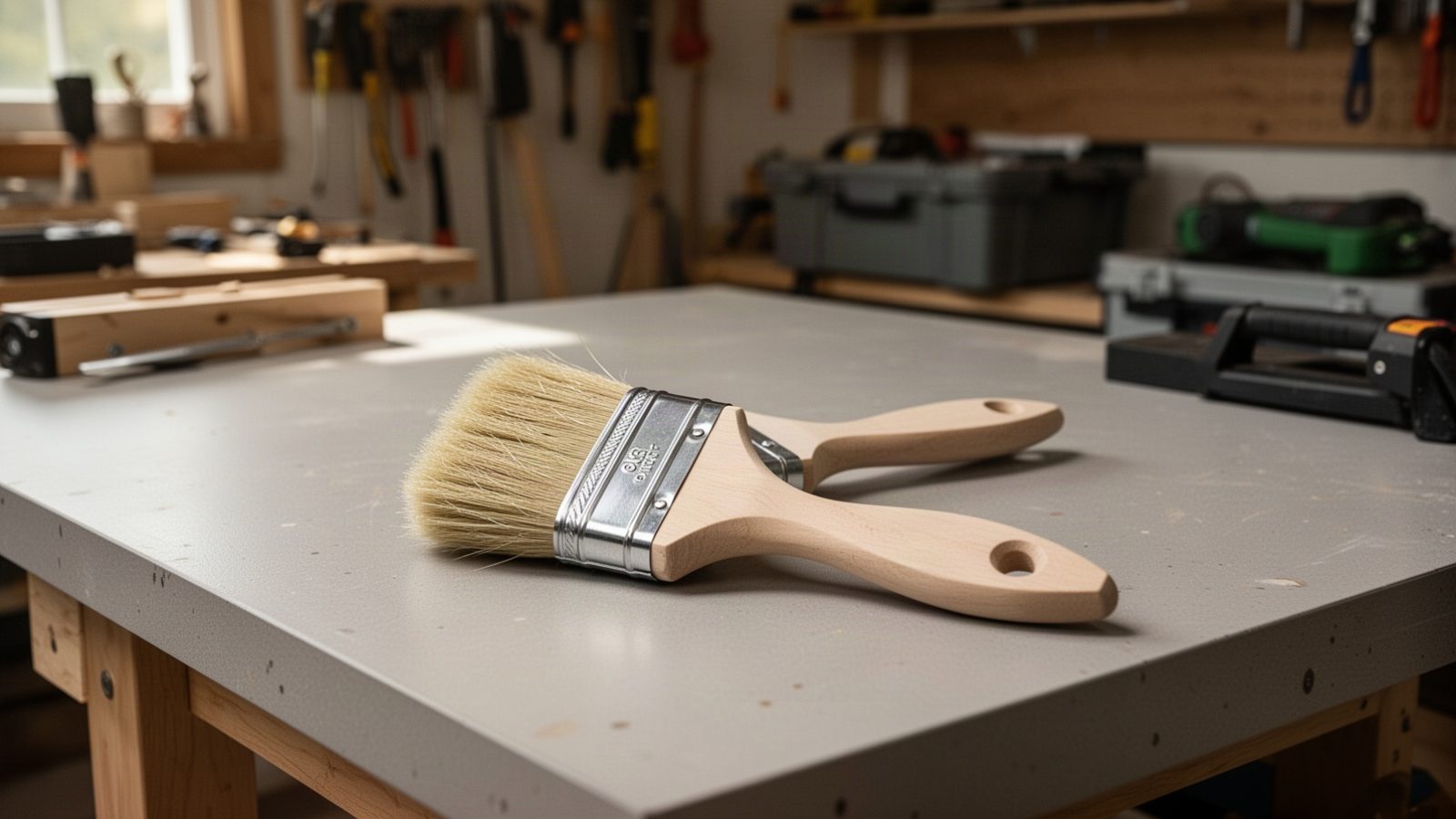
Five house-painting brushes compared, from an all-round angled sash brush to a short-handle cutting-in brush and soft brushes for smooth enamel and stain finishes.
As an Amazon Associate I earn from qualifying purchases. When you buy through links on this page, we may earn a commission at no extra cost to you. Learn more
Even if you roll most of a room, a good brush does the work that decides how professional the result looks: cutting a crisp line where the wall meets the ceiling, painting window sashes and baseboards, and leaving smooth, even strokes on doors and cabinets. A cheap brush drops bristles, holds too little paint and leaves ridges that show long after the paint dries.
The best house-painting brushes come from a small number of long-running lines, mainly Purdy and Wooster, and the differences between them come down to bristle material, stiffness, shape and handle length. We compared bristle blends, recommended paints, stiffness ratings, widths and handle styles for widely available brushes, and picked the best option for cutting in, trim, smooth enamel finishes, thick paints and stains. Most homes are well served by two brushes: a 2-1/2-inch angled sash for walls and a smaller or softer brush for trim.
Our top picks
-
1
 Illustration
Best overall
Purdy XL Glide 2-1/2 in. Angular Trim Brush
Cutting in walls and painting trim with any paint
Width2-1/2 inBristleNylon/polyester blendHandleLong hardwood -
2
 Illustration
Best short handle
Wooster Shortcut 2 in. Angle Sash Brush
Beginners, tight spots and small hands
Width2 inBristlePolyesterHandleShort, soft rubber grip -
3
 Illustration
Best for smooth finishes
Wooster Silver Tip 2-1/2 in. Angle Sash Brush
Trim, doors and cabinets in enamel
Width2-1/2 inBristleCT polyesterHandleLong sash -
4
 Illustration
Best for thick paints
Purdy Clearcut Elite Glide 2-1/2 in. Brush
Premium high-hide paints and primers
Width2-1/2 inBristleNylon/polyester blendHandleLong wood -
5
 Illustration
Best for stains and clear coats
Purdy Nylox Glide 2 in. Angular Trim Brush
Water-based stains, clear finishes and fine work
Width2 inBristleNylox nylonHandleLong wood
Purdy XL Glide 2-1/2 in. Angular Trim Brush
Illustration
A medium-stiff nylon and polyester angled brush that works with all paints inside and out.
Best for: Cutting in walls and painting trim with any paint- Width
- 2-1/2 in
- Bristle
- Nylon/polyester blend
- Handle
- Long hardwood
- Stiffness
- Medium-stiff
- Shape
- Angled
What we like
- Holds a sharp edge for cutting in
- Blend works with all paints, interior and exterior
- Medium stiffness handles most modern wall paints
- Comfortable hardwood handle
Keep in mind
- Can leave faint strokes with very thin enamels
- Needs thorough cleaning to keep its shape
If you buy one brush for house painting, Purdy's XL Glide is the most versatile choice. The 2-1/2-inch angled head is the size most painters reach for when cutting in walls and ceilings, and the nylon and polyester blend gives a medium-stiff feel that pushes typical latex wall paint smoothly while still holding a clean, sharp edge along corners.
Purdy recommends XL brushes for all paints, inside and out, so the same brush handles eggshell walls, satin trim and exterior siding paint. The hardwood handle is comfortable to hold like a pencil for detail work, and the bristles are finished to release paint evenly.
With very thin enamels and stains, a softer brush lays down a slightly smoother finish, and like any quality brush it needs a careful wash after each use. For everyday painting, it is a versatile workhorse that will last for years.
Bottom line: The best all-round brush for cutting in walls and painting trim with any paint.
Wooster Shortcut 2 in. Angle Sash Brush
Illustration
A compact angled brush with a short, soft-grip handle that is easy to control.
Best for: Beginners, tight spots and small hands- Width
- 2 in
- Bristle
- Polyester
- Handle
- Short, soft rubber grip
- Shape
- Angled
What we like
- Short handle offers great control and fits tight spaces
- Soft, comfortable grip
- Works with all latex paints and water-based stains
- Budget-friendly for a quality brush
Keep in mind
- Holds less paint than a 2-1/2-inch brush
- Short handle limits reach on high trim
Wooster's Shortcut is the brush many people find easiest to paint with. The short, rubbery handle sits in your palm almost like a pencil, which gives fine control when cutting in around outlets, switch plates and window frames, and it fits in places a long-handled sash brush can't, such as behind radiators and inside cabinets.
The 2-inch angled head uses polyester filaments that Wooster rates for all paints, including latex, and water-based stains. It is narrow enough for window muntins and baseboards yet still practical for cutting in a whole room.
Because it is smaller, it holds less paint than a 2-1/2-inch brush, so you will dip more often on long ceiling lines. The short handle can also make high or deep reaches awkward. For beginners and anyone with smaller hands, it is the most approachable quality brush around, and it is budget-friendly.
Bottom line: The easiest brush to control, ideal for beginners and tight spaces.
Wooster Silver Tip 2-1/2 in. Angle Sash Brush
Illustration
A softer polyester brush designed to lay down smooth, low-brush-mark finishes.
Best for: Trim, doors and cabinets in enamel- Width
- 2-1/2 in
- Bristle
- CT polyester
- Handle
- Long sash
- Shape
- Angled
What we like
- Soft, fine filaments leave a smooth finish
- Good for enamels on trim, doors and cabinets
- Holds a clean edge for cutting in
- Popular with professional painters
Keep in mind
- Too soft for very thick paints and primers
- Needs gentle cleaning to protect the fine tips
Glossy trim, doors and cabinets show every brush stroke, so a softer brush helps. Wooster's Silver Tip uses fine CT polyester filaments that are softer than most general-purpose brushes, which lets the paint flow off the tips and level out with fewer visible lines.
That makes it a favorite for semi-gloss and gloss enamels on baseboards, door panels and cabinet faces, as well as for thinner water-based coatings. The angled 2-1/2-inch head still cuts a neat line along walls and casing, and the long sash handle gives pencil-like control.
The softness is also its limitation. Very thick, high-build paints and primers can make soft bristles bend and drag, and a stiffer brush such as the Purdy Clearcut Elite handles those better. Clean the Silver Tip promptly and gently so the fine tips stay sharp. For the smoothest trim finish from a brush, it is an excellent choice.
Bottom line: A soft, precise brush for smooth enamel finishes on trim, doors and cabinets.
Purdy Clearcut Elite Glide 2-1/2 in. Brush
Illustration
An ultra-stiff angled brush made to push thick, heavy-bodied coatings.
Best for: Premium high-hide paints and primers- Width
- 2-1/2 in
- Bristle
- Nylon/polyester blend
- Handle
- Long wood
- Stiffness
- Ultra-stiff
- Shape
- Angled
What we like
- Stiff bristles handle thick, high-hide paints
- Keeps a crisp edge with heavy coatings
- Good for exterior paints and primers
- Durable for frequent use
Keep in mind
- Can leave visible strokes with thin enamels
- Feels firm for beginners
Many premium paints today are thick, high-hide formulas that cover in fewer coats, and they can overwhelm a soft brush. Purdy's Clearcut Elite line uses a stiffer bristle formulation built for these heavier coatings, and the 2-1/2-inch Glide version is rated ultra-stiff.
That backbone lets you push thick paint into corners, across rough exterior trim and along ceiling lines without the bristles bending out of shape, so your cut lines stay sharp even when the brush is fully loaded. It is also a good match for primers and exterior paints, which tend to be heavier.
The same stiffness can leave more visible strokes with thin, glossy enamels, where a softer brush levels better, and beginners may find it firm. If you use premium thick paints or paint exteriors regularly, it is a durable, capable brush to keep in your kit.
Bottom line: The right brush for thick premium paints, primers and exterior trim.
Purdy Nylox Glide 2 in. Angular Trim Brush
Illustration
A very soft nylon brush that lays down thin, water-based finishes smoothly.
Best for: Water-based stains, clear finishes and fine work- Width
- 2 in
- Bristle
- Nylox nylon
- Handle
- Long wood
- Stiffness
- Soft
- Shape
- Angled
What we like
- Very soft filaments leave a smooth finish with thin coatings
- Good for water-based stains and clear finishes
- Angled head handles detailed areas
- Gentle on delicate surfaces
Keep in mind
- Too floppy for thick wall paints
- Soft bristles splay if cleaned roughly
Thin, water-based coatings such as stains and clear finishes need a different brush from wall paint. Purdy's Nylox bristles are among the softest synthetic filaments the brand makes, so they release thin finishes evenly and leave very few lines, which is exactly what you want on furniture, cabinet doors and woodwork where streaks show.
The 2-inch angled head is handy for detailed areas such as spindles, frames and the inside edges of drawers, and the soft tips also suit fine finish work with thin, low-viscosity paints.
The softness that makes it great with stains makes it a poor match for thick wall paint and primer, where the bristles will bend and drag. Wash it gently and reshape the bristles before storing to keep the edge fine. If you refinish furniture or apply clear coats, it is a useful specialist to own alongside an all-round brush.
Bottom line: A soft specialist brush for water-based stains, clear coats and fine finish work.
Side-by-side comparison
| Product | Width | Bristle | Handle | Stiffness | Score |
|---|---|---|---|---|---|
| Purdy XL Glide 2-1/2 in. Angular Trim BrushBest overall | 2-1/2 in | Nylon/polyester blend | Long hardwood | Medium-stiff | 9.2 |
| Wooster Shortcut 2 in. Angle Sash BrushBest short handle | 2 in | Polyester | Short, soft rubber grip | — | 9.0 |
| Wooster Silver Tip 2-1/2 in. Angle Sash BrushBest for smooth finishes | 2-1/2 in | CT polyester | Long sash | — | 8.8 |
| Purdy Clearcut Elite Glide 2-1/2 in. BrushBest for thick paints | 2-1/2 in | Nylon/polyester blend | Long wood | Ultra-stiff | 8.7 |
| Purdy Nylox Glide 2 in. Angular Trim BrushBest for stains and clear coats | 2 in | Nylox nylon | Long wood | Soft | 8.5 |
Specifications are from manufacturer listings at the time of writing and can change between production runs.
Bristle material: synthetic or natural?
Synthetic bristles (nylon, polyester or a blend) are the right choice for latex and other water-based paints, which is what most people use indoors. They keep their shape when wet and are easy to clean with water. Nylon is soft and fine, polyester holds its stiffness well in heat and humidity, and blends balance both.
Natural bristles (often called China bristle) suit oil-based paints, varnishes and polyurethanes. Avoid them with latex, because they absorb water and go limp.
Stiffness and paint type
Softer brushes leave fewer brush marks with thin paints, enamels and stains, but they flop with thick, high-hide paints. Stiffer brushes push heavy premium paints and primers around easily and hold a sharp edge when cutting in, though they can leave more visible strokes on glossy trim. Many brands label brushes by stiffness, which makes matching brush to paint easier.
Size, shape and handle
- 2 to 2-1/2 inches is the sweet spot for cutting in walls and painting trim; 3-inch brushes speed up wider boards and doors.
- Angled (sash) brushes make it much easier to cut a straight line along ceilings and corners than flat brushes.
- Long sash handles let you hold the brush like a pencil for control. Short handles fit into tight spots and suit beginners and smaller hands.
Features worth paying for
- Flagged or tipped bristles with split, tapered ends hold more paint and release it smoothly.
- A well-shaped chisel edge on angled brushes makes cutting in along ceilings much easier.
- A sturdy ferrule (the metal band) that holds bristles tightly so they don't shed into your finish.
- A protective keeper, the cardboard sleeve that keeps bristles straight during storage.
What to skip
Skip bulk packs of bargain brushes for anything visible. They tend to shed bristles, splay quickly and leave heavy brush marks. Disposable foam brushes are fine for small stain touch-ups and crafts but poor for cutting in walls. One or two quality brushes, cleaned properly, will last for years and paint better than a drawer full of cheap ones.
Cleaning and care
Wash brushes promptly: for latex, use warm soapy water and work the soap into the heel of the bristles until the water runs clear; for oil-based products, use the solvent the paint can recommends and dispose of it according to local rules. Spin or shake out excess water, reshape the bristles and store brushes flat or hanging in their original keeper so they hold their shape. Never let paint dry in the bristles near the ferrule, which ruins the brush.
Frequently asked questions
What size paint brush is best for cutting in?
A 2- or 2-1/2-inch angled sash brush is the most popular choice for cutting in walls and ceilings. Use a smaller or short-handle brush for tight areas such as window muntins.
Should I use a synthetic or natural bristle brush?
Use synthetic bristles for latex and other water-based paints. Natural bristles are best for oil-based paints, varnish and polyurethane.
How do I avoid brush marks on trim and doors?
Use a quality brush suited to your paint, load it moderately, lay the paint on and finish with long, light strokes in one direction. A paint conditioner or a softer brush can help with enamels.
How long does a good paint brush last?
With prompt, thorough cleaning and proper storage in its keeper, a quality brush can last for many projects and several years.
Can I leave a brush in paint overnight?
It is better to wrap a loaded brush tightly in plastic wrap or a plastic bag for a short break. Never leave it standing on its bristles in a can, which bends the tips permanently.
How we picked
We compared manufacturer specifications for bristle materials and blends, stiffness ratings, recommended paints, brush widths, shapes and handle styles for house-painting brushes consistently available online, and weighed how each suits cutting in, trim, smooth enamel finishes, thick paints and stains. Our picks and scores are based on this research — we have not tested these products hands-on. Brands cannot pay to be included. Read our full method.