






















The best ice hockey sticks
Five ice hockey stick lines compared by kick point — low, mid and hybrid composites plus a classic wood stick — with a plain guide to flex, length and blade curves.
As an Amazon Associate I earn from qualifying purchases. When you buy through links on this page, we may earn a commission at no extra cost to you. Learn more
A hockey stick is the one piece of equipment a player touches on every shift, and the right one makes passing, stickhandling and shooting feel natural. The wrong flex or length can make even a good shooter look stiff, while a stick that suits your style helps the puck come off the blade quickly and accurately.
Today's composite sticks are light and powerful, and the big brands organize their ranges by kick point — where the shaft bends when you shoot. Low-kick sticks favor quick wrist and snap shots in tight spaces, mid-kick sticks reward full slap shots, and hybrid designs try to do both. Each line is refreshed regularly, with top models and more affordable versions sharing the same basic profile. We compared the main stick families from Bauer and CCM, plus a classic Sher-Wood wood stick, on kick point, construction and available sizes, and matched each to the kind of player it suits.
Our top picks
-
1
 Illustration
Best overall
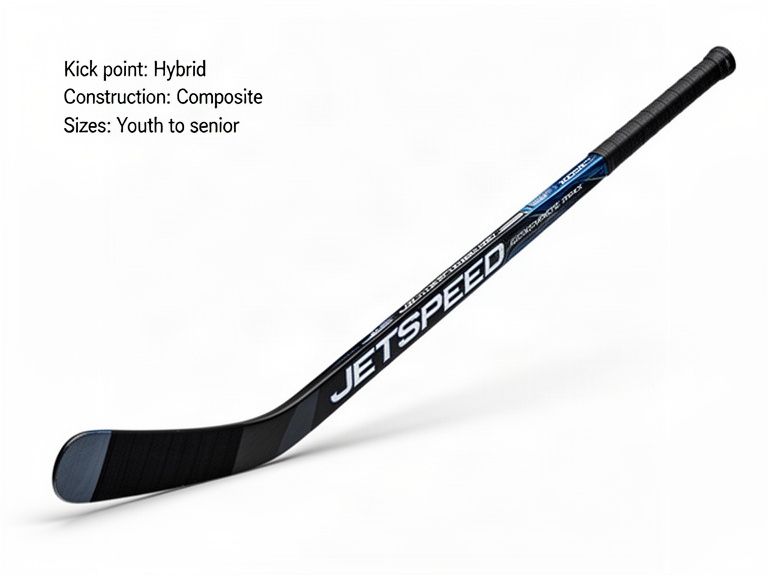
CCM Jetspeed Composite Stick
Players who want one stick for every kind of shot
Kick pointHybridConstructionCompositeSizesYouth to senior -
2
 Illustration
Best for quick release
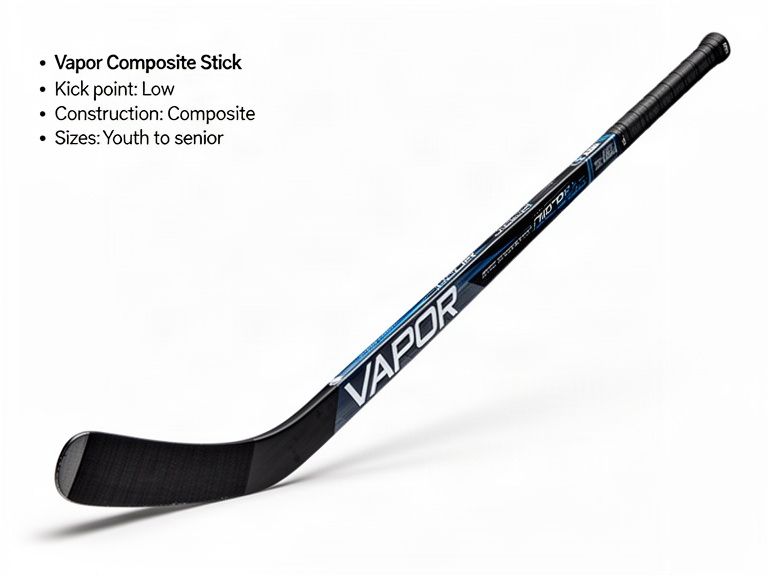
Bauer Vapor Composite Stick
Shifty forwards who shoot in stride
Kick pointLowConstructionCompositeSizesYouth to senior -
3
 Illustration
Best for slap shots
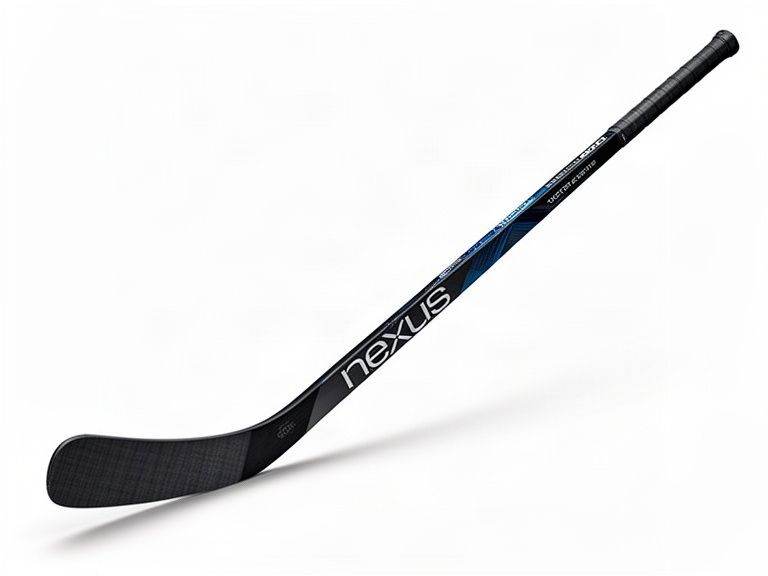
Bauer Nexus Composite Stick
Defensemen and players with big windups
Kick pointMidConstructionCompositeSizesYouth to senior -
4
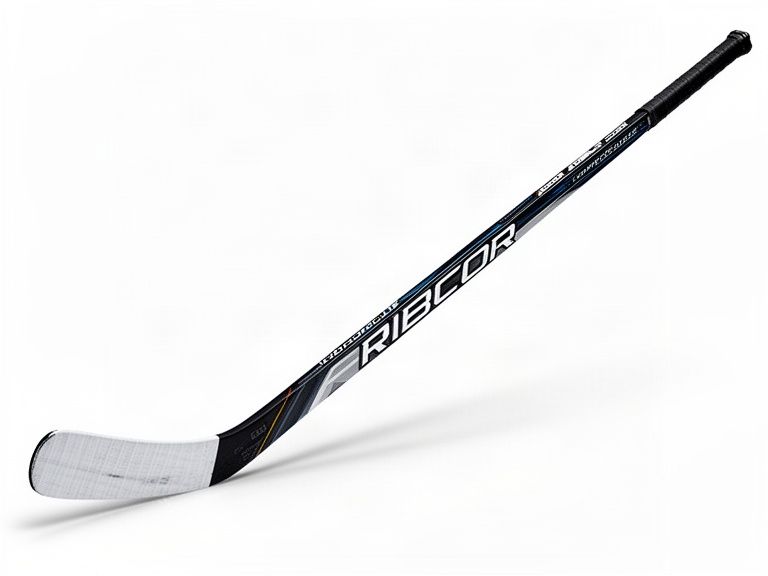 Illustration
Best low-kick alternative
CCM Ribcor Composite Stick
Forwards who want a quick-loading CCM stick
Kick pointLowConstructionCompositeSizesYouth to senior -
5
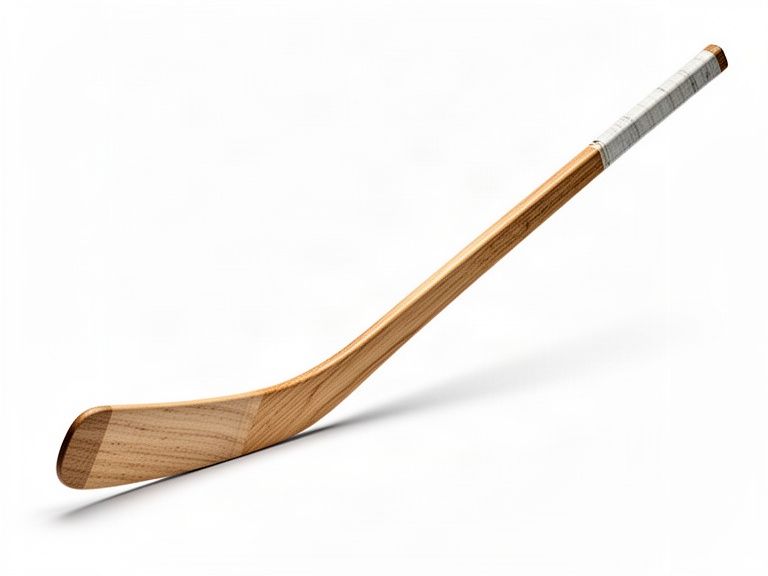 Illustration
Best budget wood stick
Sher-Wood 5030 Wood Stick
Beginners, young kids and casual skaters
Kick pointTraditional wood flexConstructionWoodSizesJunior and senior versions
CCM Jetspeed Composite Stick
Illustration
CCM's versatile composite line with a hybrid kick designed for both quick release and power.
Best for: Players who want one stick for every kind of shot- Kick point
- Hybrid
- Construction
- Composite
- Sizes
- Youth to senior
What we like
- Hybrid kick suits wrist, snap and slap shots
- Available from youth to senior sizes
- Multiple price tiers within the line
- Popular with forwards and defensemen
Keep in mind
- Top models are premium-priced
- More versatile than specialized, so not optimized for one shot type
CCM's Jetspeed family is designed around a hybrid kick, meaning the flex point adapts to how and where you hold the stick. That makes it one of the most versatile options on the market, suiting players who take quick wrist shots in close but also wind up for slap shots from the point.
The line is offered across a range of price tiers, from top models with the lightest construction to more affordable versions that share the same profile. Sizes run from youth to senior, so players can stay with a familiar feel as they grow.
Because it is designed to do everything, it is not as specialized as a dedicated low- or mid-kick stick. For most players who are unsure which kick point they prefer, it is the most sensible place to start.
Bottom line: The most versatile choice for players who want a stick that suits every type of shot.
Bauer Vapor Composite Stick
Illustration
Bauer's low-kick line, built for fast-loading wrist and snap shots.
Best for: Shifty forwards who shoot in stride- Kick point
- Low
- Construction
- Composite
- Sizes
- Youth to senior
What we like
- Low kick for quick release
- Light and responsive
- Wide range of price tiers
- Popular among forwards at every level
Keep in mind
- Less suited to big slap shots
- Top models are premium-priced and can be less durable
The Vapor is Bauer's low-kick family, designed for players who rely on quick wrist and snap shots. With the flex point near the blade, the stick loads and releases quickly, which helps get shots off before goalies and defenders can react.
It is a favorite of fast, skilled forwards who shoot in stride or in tight spaces. Bauer refreshes the Vapor line regularly and offers it at several price points, so younger players can get the same profile in a more affordable version.
Players who take a lot of full slap shots may prefer a mid-kick stick. As with all top-tier composites, the lightest models are expensive and can be less durable.
Bottom line: A top choice for forwards who want the quickest possible release.
Bauer Nexus Composite Stick
Illustration
Bauer's mid-kick line, designed to load deep in the shaft for powerful slap shots.
Best for: Defensemen and players with big windups- Kick point
- Mid
- Construction
- Composite
- Sizes
- Youth to senior
What we like
- Mid kick rewards full slap shots
- Stable feel for one-timers
- Available across price tiers
- Good for players with a longer shooting motion
Keep in mind
- Slower release on quick wrist shots
- Top models are premium-priced
The Nexus is Bauer's mid-kick family, built for players who take full windups and want maximum power. The flex point sits higher in the shaft, so the stick loads deeply on slap shots and one-timers.
It is a popular choice for defensemen and power forwards who shoot from distance. Like the Vapor, it is refreshed regularly and comes in several price tiers.
The trade-off is release speed: a mid-kick stick does not load as quickly on short wrist shots as a low-kick model. If most of your goals come from in close, look at the Vapor or a hybrid stick instead.
Bottom line: The pick for players who want power on slap shots and one-timers.
CCM Ribcor Composite Stick
Illustration
CCM's low-kick line, designed for fast-loading shots in close.
Best for: Forwards who want a quick-loading CCM stick- Kick point
- Low
- Construction
- Composite
- Sizes
- Youth to senior
What we like
- Low kick for quick shots
- Easy to load for players still building strength
- Available in several price tiers
- Good choice for younger forwards
Keep in mind
- Less suited to full slap shots
- Top models are premium-priced
CCM's Ribcor family is its low-kick option, designed to flex easily near the blade for quick-loading wrist and snap shots. Because it bends readily, it can be a good choice for younger or developing players who do not yet have the strength to flex a stiffer stick.
It competes directly with Bauer's Vapor, and players often choose between them based on feel, blade patterns and brand preference. If you already like a particular CCM curve, staying within the brand makes it easier to keep a consistent blade as you move up through sizes.
As with other low-kick sticks, it is not optimized for big slap shots. Top versions are premium-priced, but CCM offers the line at several price points.
Bottom line: A strong low-kick option for forwards and developing players who prefer CCM.
Sher-Wood 5030 Wood Stick
Illustration
A classic, inexpensive wood stick known for durability and good puck feel.
Best for: Beginners, young kids and casual skaters- Kick point
- Traditional wood flex
- Construction
- Wood
- Sizes
- Junior and senior versions
What we like
- Very budget-friendly
- Durable and forgiving
- Good puck feel for stickhandling
- Classic, long-running model
Keep in mind
- Heavier than composite sticks
- Less shooting power than composites
The Sher-Wood 5030 is one of the best-known wood hockey sticks, and it has stayed popular for decades because it is inexpensive, durable and offers good puck feel. For beginners and casual skaters, it is a sensible way to start without spending composite-stick money.
Wood sticks are heavier and do not store and release energy like composites, so shots have less snap. They are also less likely to break suddenly, and many players like their natural feel for stickhandling.
It is not the stick for competitive players looking for every bit of shot power. For learn-to-play programs, pond hockey and casual skating, it is a classic choice.
Bottom line: An inexpensive, durable wood stick for beginners and casual players.
Side-by-side comparison
| Product | Kick point | Construction | Sizes | Score |
|---|---|---|---|---|
| CCM Jetspeed Composite StickBest overall | Hybrid | Composite | Youth to senior | 9.1 |
| Bauer Vapor Composite StickBest for quick release | Low | Composite | Youth to senior | 9.0 |
| Bauer Nexus Composite StickBest for slap shots | Mid | Composite | Youth to senior | 8.8 |
| CCM Ribcor Composite StickBest low-kick alternative | Low | Composite | Youth to senior | 8.7 |
| Sher-Wood 5030 Wood StickBest budget wood stick | Traditional wood flex | Wood | Junior and senior versions | 8.0 |
Specifications are from manufacturer listings at the time of writing and can change between production runs.
Kick point explained
- Low kick: the stick flexes near the blade, so it loads and releases quickly. Good for forwards who shoot in stride, take quick wrist shots and play in traffic.
- Mid kick: the stick flexes higher up the shaft, which suits players who take bigger windups and full slap shots, often defensemen.
- Hybrid or variable kick: the flex point shifts depending on where your bottom hand sits and how you shoot, aiming to suit both styles.
Choosing a flex
Flex is the force, roughly in pounds, needed to bend the shaft one inch. A common starting point is a flex around half your body weight in pounds, adjusted for strength and style. Many players, especially kids, use sticks that are too stiff to bend properly, which robs shots of power. When in doubt, go a little softer. Sticks come in size categories — youth, junior, intermediate and senior — each with its own flex range.
Stick length
With skates on, a common guideline is that the top of the stick reaches somewhere between your chin and nose when the toe of the blade is on the ice. Shorter sticks help with puck control in close; longer sticks add reach. Cutting a stick down makes it stiffer, and adding an extension makes it softer, so factor that into your flex choice.
Blade curves and handedness
Brands offer several curve patterns, and names such as P92, P28 and P88 are used for common curves across many brands. A moderate mid-heel or mid-toe curve is a good starting point for most players; extreme curves can make backhands and passing harder. A "left" stick is held with the right hand on top and the left hand lower, and vice versa. Many players shoot opposite to their writing hand, so try both if you are unsure.
What to skip and how to care for a stick
Top-of-the-line sticks are the lightest but also the most expensive and can be less durable. Mid-range versions of the same line often give most of the performance for growing players. Tape the blade to protect it and improve puck feel, check the shaft for cracks after blocked shots or slashes, and avoid leaving sticks in a hot car or freezing trunk for long periods.
Frequently asked questions
What flex hockey stick should I use?
A common starting point is a flex of about half your body weight in pounds, adjusted for strength and playing style. If you cannot bend the stick when shooting, it is too stiff; try a softer flex.
How long should my hockey stick be?
With skates on, many players like the top of the stick between the chin and nose when the blade toe is on the ice. Shorter sticks help with puck control, longer sticks add reach, and cutting a stick makes it stiffer.
Is a low-kick or mid-kick stick better?
Neither is better overall. Low-kick sticks suit quick wrist and snap shots, while mid-kick sticks suit players who take full slap shots. Hybrid kick sticks aim to cover both styles.
How do I know if I need a left or right stick?
A left stick has the left hand lower on the shaft and the right hand on top. Hold a stick naturally and see which hand goes on top. Many players shoot opposite to their writing hand.
Are wood hockey sticks still worth buying?
Wood sticks are heavier and less powerful than composites, but they are inexpensive, durable and offer good puck feel. They are useful for beginners, young kids and casual skating.
How we picked
We compared manufacturer information on kick point, construction, size categories and the positioning of each stick line for popular ice hockey sticks sold online, and considered how the brands describe the intended player for each family. Our picks and scores are based on this research — we have not tested these sticks hands-on. Brands cannot pay to be included. Read our full method.