






















The best fuzzy logic rice cookers
Five 5.5- to 6-cup fuzzy logic rice cookers compared on menus, inner pots, extras and value for households of two to five.
As an Amazon Associate I earn from qualifying purchases. When you buy through links on this page, we may earn a commission at no extra cost to you. Learn more
“Fuzzy logic” is the marketing name for a rice cooker with a microcomputer that makes small adjustments as it cooks. Instead of heating flat-out until the water is gone, it senses temperature and changes power and timing through soaking, boiling and steaming. In practice that means more forgiving results: rice that is evenly cooked from top to bottom, better brown rice, and settings for porridge, mixed rice or quick cooking.
For most households, a 5.5- or 6-cup fuzzy logic cooker is the best balance of quality and cost. It costs more than a one-switch model but much less than induction heating, and it fits families of two to five. The models differ in inner-pot design, menu range and extras such as steam baskets, cooking plates and auto-clean cycles. We compared the established fuzzy logic models from Zojirushi, Cuckoo, Tiger and Toshiba to help you match one to the way you cook.
Our top picks
-
1
 Illustration
Best overall
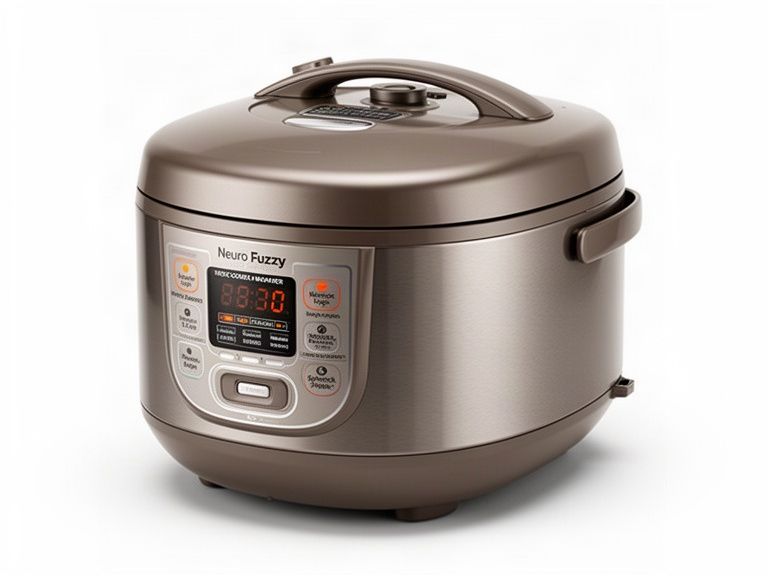
Zojirushi Neuro Fuzzy Rice Cooker & Warmer, 5.5-Cup
Households that want consistently excellent everyday rice
Capacity (uncooked)5.5 cupsControlNeuro Fuzzy logicStandout featureSpherical nonstick inner pan -
2
 Illustration
Best with steam basket
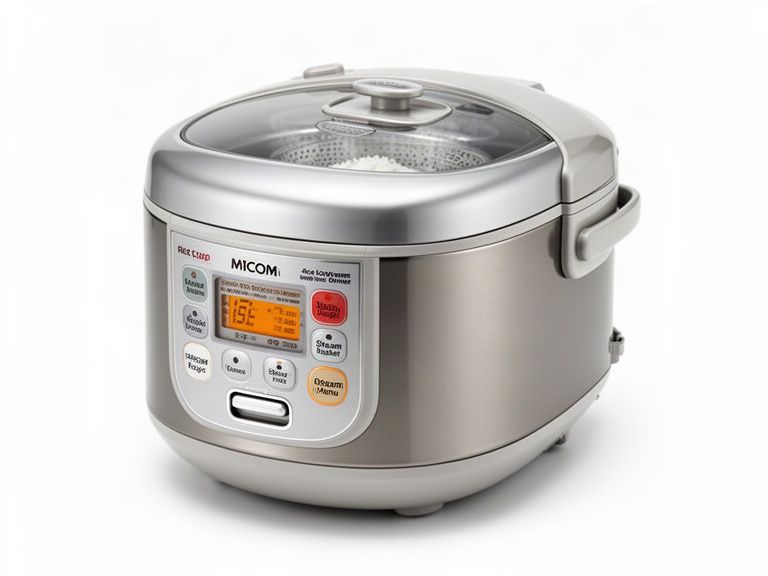
Zojirushi Micom Rice Cooker & Warmer, 5.5-Cup
Rice plus steamed vegetables on weeknights
Capacity (uncooked)5.5 cupsControlMicom fuzzy logicStandout featureSteam basket and steam menu -
3
 Illustration
Best for multigrain
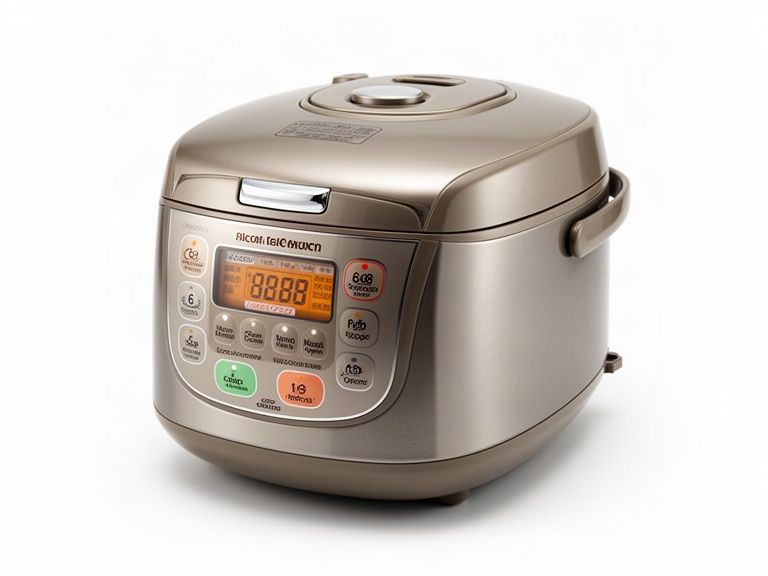
Cuckoo 6-Cup Micom Rice Cooker
Korean-style rice, multigrain and GABA rice
Capacity (uncooked)6 cupsControlMicom fuzzy logicStandout featureAuto-clean and 12 menu options -
4
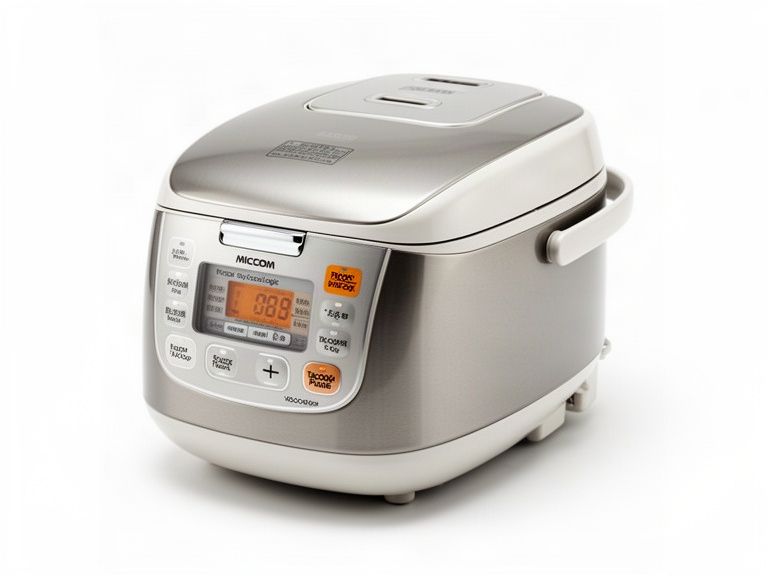 Illustration
Best for one-pot meals
Tiger 5.5-Cup Micom Rice Cooker with tacook Plate
Cooking rice and a main dish together
Capacity (uncooked)5.5 cupsControlMicom fuzzy logicStandout featuretacook plate for synchro-cooking -
5
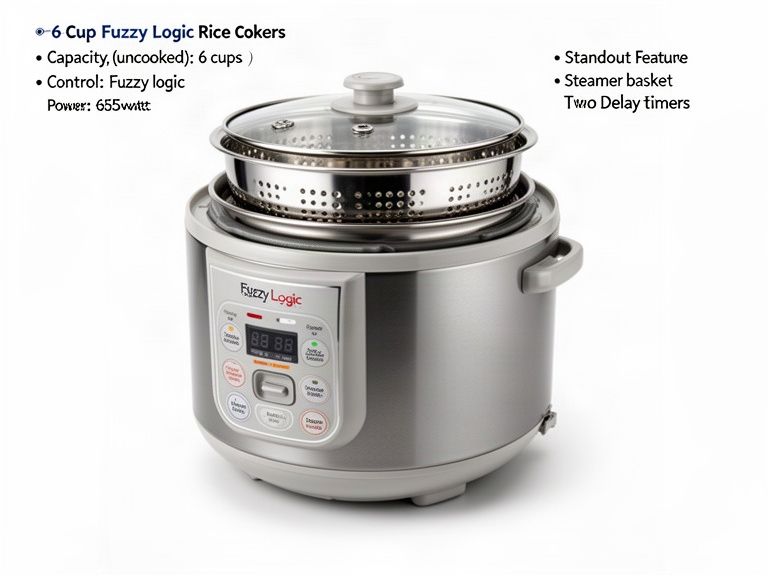 Illustration
Best value
Toshiba 6-Cup Fuzzy Logic Rice Cooker
Fuzzy logic features without a premium price
Capacity (uncooked)6 cupsControlFuzzy logicStandout featureSteamer basket and two delay timers
Zojirushi Neuro Fuzzy Rice Cooker & Warmer, 5.5-Cup
Illustration
A long-running fuzzy logic classic with a spherical inner pan and a broad, sensible menu.
Best for: Households that want consistently excellent everyday rice- Capacity (uncooked)
- 5.5 cups
- Control
- Neuro Fuzzy logic
- Standout feature
- Spherical nonstick inner pan
- Power
- 680 watts
What we like
- Very consistent white and brown rice
- Spherical pan helps heat circulate evenly
- Settings for porridge, sushi, mixed and quick cooking
- Delay timer and extended keep-warm
Keep in mind
- Premium-priced for a non-induction cooker
- Standard cycles are slow
- Rounded design takes more counter space
The NS-ZCC10 has been one of the most recommended rice cookers for years, and its longevity speaks to how well it does the basics. Zojirushi’s Neuro Fuzzy controls adjust heating throughout the cycle, and the rounded, spherical inner pan is designed to circulate heat more evenly than a flat-bottomed pot.
The menu covers white, sushi, mixed, porridge, sweet, brown and quick cooking, plus semi-brown and rinse-free options. A delay timer and keep-warm modes make it easy to have rice ready when you walk in the door.
It is premium-priced for a cooker without induction heating, and the full cycle takes longer than basic machines. Those are the only real complaints: if you eat rice often and want reliable results without paying induction prices, it is the benchmark.
Bottom line: The benchmark fuzzy logic rice cooker — reliable, versatile and built to last.
Zojirushi Micom Rice Cooker & Warmer, 5.5-Cup
Illustration
A slightly simpler Zojirushi micom cooker that adds a steam menu and steaming basket.
Best for: Rice plus steamed vegetables on weeknights- Capacity (uncooked)
- 5.5 cups
- Control
- Micom fuzzy logic
- Standout feature
- Steam basket and steam menu
What we like
- Steam basket and dedicated steam setting
- Zojirushi’s consistent rice at a lower price than the NS-ZCC10
- Brown rice, porridge and quick-cook settings
- Easy-to-read display
Keep in mind
- Lacks the spherical pan of the NS-ZCC10
- Steaming large portions takes up rice space
- Cycles still slower than basic cookers
The NS-TSC10 is a practical alternative to the NS-ZCC10 for people who want Zojirushi’s fuzzy logic cooking with a little extra versatility. It includes a steaming basket and a steam menu, so vegetables, fish or dumplings can steam above the rice or on their own.
The cooking controls are similar in spirit to Zojirushi’s premium models: the microcomputer adjusts heat through the cycle and offers settings for white, brown, porridge and quick cooking, among others. A clear display and delay timer round out a well-thought-out everyday cooker.
It doesn’t have the NS-ZCC10’s spherical pan, and when you use the basket for a large batch of vegetables you have less headroom for rice. For most weeknight cooking, the combination of rice and steaming in one appliance is the bigger win.
Bottom line: A versatile Zojirushi for people who want to steam vegetables and cook rice in one appliance.
Cuckoo 6-Cup Micom Rice Cooker
Illustration
A 6-cup fuzzy logic cooker with a broad menu, auto-clean and a detachable inner lid.
Best for: Korean-style rice, multigrain and GABA rice- Capacity (uncooked)
- 6 cups
- Control
- Micom fuzzy logic
- Standout feature
- Auto-clean and 12 menu options
What we like
- Menus for glutinous, mixed, brown and GABA rice
- Auto-clean steam cycle
- Detachable inner lid for washing
- Slightly larger capacity than 5.5-cup rivals
Keep in mind
- Menu names can be confusing at first
- Not as refined as Zojirushi on plain white rice
- Keep-warm can dry rice over long periods
Cuckoo’s CR-0655F brings the Korean brand’s fuzzy logic cooking to a 6-cup size, a little bigger than the common 5.5-cup models. Its menu leans toward grains: there are settings for glutinous (sticky) rice, mixed and brown rice, GABA rice, porridge, steamed dishes and multi-cook, plus a turbo option when you need rice quickly.
Practical touches help on busy days. An auto-clean cycle uses steam to loosen residue inside the lid, and the inner lid detaches so you can wash it properly. The nonstick inner pot cleans easily with the included paddle.
Some menu labels take a read of the manual, and fans of very precise Japanese-style white rice may still prefer Zojirushi. For households that mix in brown rice, multigrain blends and sticky rice, it offers a lot of flexibility at a mid-range price.
Bottom line: A flexible, mid-priced fuzzy logic cooker for households that cook many types of grain.
Tiger 5.5-Cup Micom Rice Cooker with tacook Plate
Illustration
A micom cooker whose tacook plate cooks a main dish above the rice in the same cycle, plus slow-cook and steam menus.
Best for: Cooking rice and a main dish together- Capacity (uncooked)
- 5.5 cups
- Control
- Micom fuzzy logic
- Standout feature
- tacook plate for synchro-cooking
What we like
- Synchro-cooking makes rice and a main dish at once
- 10 menu settings, including slow cook and steam
- Includes a recipe booklet for the tacook plate
- Widely available
Keep in mind
- Main-dish portions on the plate are modest
- Flavors can mingle if you are not careful with sauces
- More parts to wash after synchro-cooking
Tiger’s tacook plate is a clever idea: a shallow tray that sits above the rice, so chicken, fish or vegetables cook in the rising steam while the rice cooks below. The JAX-T10U’s synchro-cooking setting manages timing for both, which turns the rice cooker into a one-pot dinner machine.
Beyond that, it is a capable micom cooker with 10 menu settings, including brown rice, porridge, slow cook and steam. The included recipe booklet is useful for learning which dishes suit the plate.
The plate holds a modest portion — enough for two or three people rather than a family feast — and you need to keep sauces contained so they don’t drip into the rice. If simple one-pot meals appeal to you, few rice cookers make them this easy.
Bottom line: The best fuzzy logic cooker for making rice and a simple main dish in one go.
Toshiba 6-Cup Fuzzy Logic Rice Cooker
Illustration
A 6-cup fuzzy logic cooker with a steamer basket, two delay timers and a quick-rice mode.
Best for: Fuzzy logic features without a premium price- Capacity (uncooked)
- 6 cups
- Control
- Fuzzy logic
- Standout feature
- Steamer basket and two delay timers
- Power
- 655 watts
What we like
- Fuzzy logic at a more accessible price
- Steamer basket included
- Two programmable delay timers
- Removable steam vent for cleaning
Keep in mind
- Less proven track record than Zojirushi or Tiger
- Measuring cup is smaller than a US cup, which confuses some buyers
- Fewer specialty menus
Toshiba’s 6-cup fuzzy logic cooker brings the core benefits of a microcomputer cooker — more even texture, a brown rice setting and timers — to a lower price than the Japanese specialists. It includes a steamer basket, a quick-rice mode and two programmable delay timers, so you can save separate times for, say, breakfast porridge and dinner rice.
The removable steam vent makes cleaning easier, and the 6-cup capacity gives a little more room than 5.5-cup models for families or meal prep.
As with all rice cookers, the included cup holds less than a US measuring cup, so use it with the pot’s water lines. It does not have the long track record of Zojirushi or Tiger, but on paper it covers what most households need.
Bottom line: A good-value fuzzy logic cooker with a steamer basket and flexible timers.
Side-by-side comparison
| Product | Capacity (uncooked) | Control | Standout feature | Power | Score |
|---|---|---|---|---|---|
| Zojirushi Neuro Fuzzy Rice Cooker & Warmer, 5.5-CupBest overall | 5.5 cups | Neuro Fuzzy logic | Spherical nonstick inner pan | 680 watts | 9.4 |
| Zojirushi Micom Rice Cooker & Warmer, 5.5-CupBest with steam basket | 5.5 cups | Micom fuzzy logic | Steam basket and steam menu | — | 8.9 |
| Cuckoo 6-Cup Micom Rice CookerBest for multigrain | 6 cups | Micom fuzzy logic | Auto-clean and 12 menu options | — | 8.7 |
| Tiger 5.5-Cup Micom Rice Cooker with tacook PlateBest for one-pot meals | 5.5 cups | Micom fuzzy logic | tacook plate for synchro-cooking | — | 8.6 |
| Toshiba 6-Cup Fuzzy Logic Rice CookerBest value | 6 cups | Fuzzy logic | Steamer basket and two delay timers | 655 watts | 8.3 |
Specifications are from manufacturer listings at the time of writing and can change between production runs.
What fuzzy logic actually does
A basic rice cooker has a thermostat that trips when the pot gets hotter than boiling, which happens once the water is absorbed. A fuzzy logic cooker reads temperature throughout the cycle and adjusts. It can pre-soak grains, slow down before the end so the bottom doesn’t scorch, and compensate a little if you add slightly too much or too little water. Brands call it “micom”, “neuro fuzzy” or simply fuzzy logic; the principle is the same.
Choosing the right capacity
- 5.5 cups uncooked (about 10 cups cooked) suits two to five people and is the most popular size.
- 6 cups gives a little extra room for meal prep.
- 10 cups and up is for big families or entertaining, and takes more space.
Rice-cooker cups are about 180 ml, smaller than a US cup, so measure with the included cup.
Fuzzy logic cookers also handle small batches better than basic models, so it rarely pays to buy a smaller size “just in case”. If you sometimes cook for guests, the 5.5-cup size will still make a single cup of rice well while leaving headroom for bigger meals. Measure the space under your cabinets too: most models are tall when the lid is open.
Menus worth having
A brown rice setting is the most useful extra; it soaks and cooks longer for tender grains. Porridge settings make congee and oatmeal without boil-overs. Quick cook shaves time on white rice when you are in a hurry. Settings for GABA brown rice, sushi rice or mixed rice are nice if you will use them, but don’t pay more for a long menu you won’t touch.
Extras: steam baskets, cooking plates and auto-clean
Some cookers include a steam basket for vegetables or dumplings, and Tiger’s tacook plate lets you cook a main dish above the rice at the same time. Cuckoo models add auto-clean cycles that steam the lid clean. These extras are worthwhile if they match how you cook — a steam basket especially for weeknight dinners.
Care and getting the most out of it
Rinse rice before cooking and use the water lines marked for each rice type. Use only the included paddle or soft utensils on nonstick pots. Remove and wash the inner lid and steam vent regularly; that is where starch and smells build up. Let rice rest a few minutes after the cycle before fluffing.
Frequently asked questions
Is a fuzzy logic rice cooker worth it over a basic one?
If you cook rice several times a week or eat brown rice, generally yes. Fuzzy logic cookers give more even texture, handle different grains better and add timers. For occasional white rice, a basic cooker is fine.
What is the difference between fuzzy logic and induction heating?
Fuzzy logic describes how the cooker controls cooking; induction heating describes how it heats. Fuzzy logic cookers use a heating plate under the pot, while induction models heat the whole pot directly for more even, precise heat. Most induction cookers also use fuzzy logic controls.
Why does fuzzy logic rice take longer?
The cycle includes soaking and a gentle steaming phase at the end, which is part of what makes the texture more even. Most models have a quick-cook setting for nights when speed matters more.
Can I cook quinoa or oatmeal in a fuzzy logic cooker?
Many models have settings for mixed grains, porridge or oatmeal, and quinoa usually cooks well on a white or mixed setting. Follow your manual’s water ratios for anything other than rice.
How long does the nonstick inner pot last?
With soft utensils and gentle washing, typically several years. Replacement inner pots are sold for most popular models, so a worn coating does not mean replacing the whole cooker.
How we picked
We compared manufacturer specifications — capacity, control technology, menu settings, inner-pot design, included accessories, power rating and cleaning features — for fuzzy logic rice cookers from long-established brands sold in the US, and weighed how each suits different household sizes and cooking habits. Our picks and scores are based on this research — we have not tested these products hands-on. Brands cannot pay to be included. Read our full method.